Product Shoot · Virtual try-on
AI clothes changer and virtual try-on
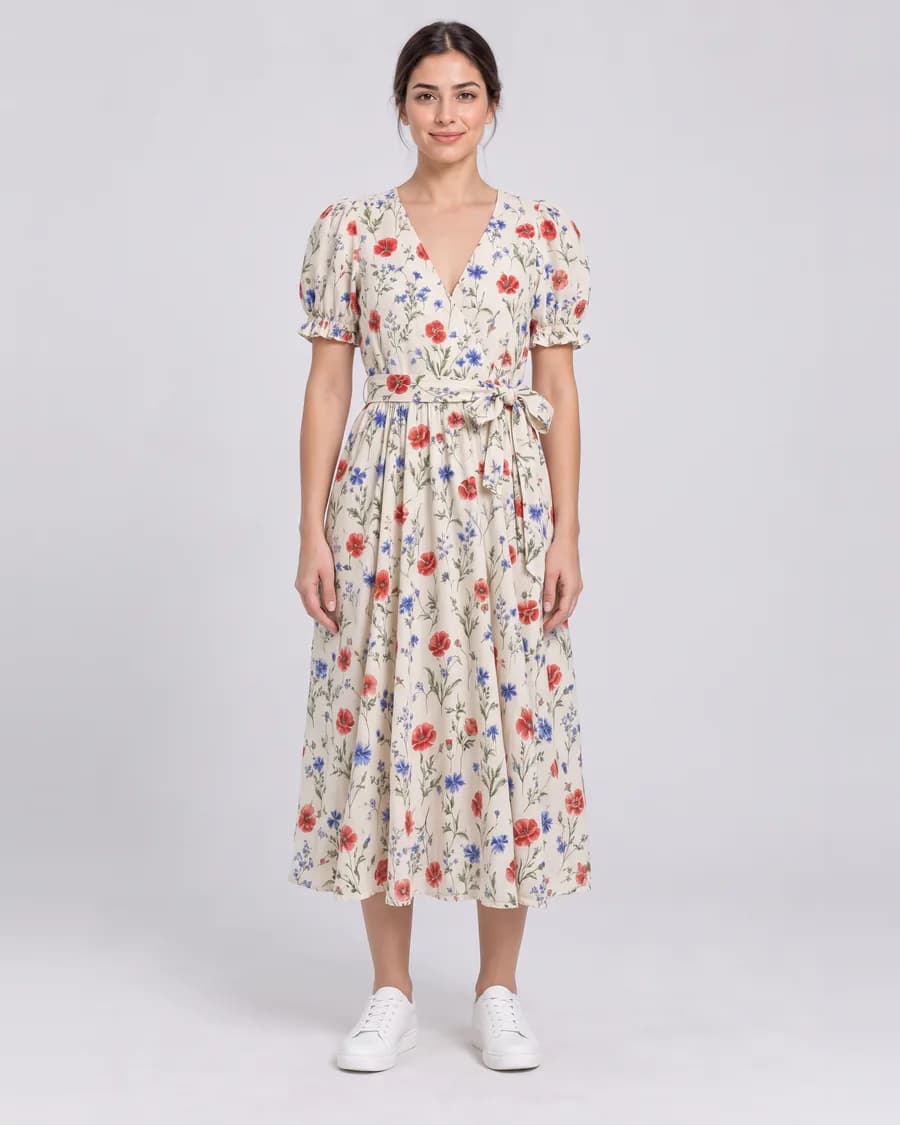
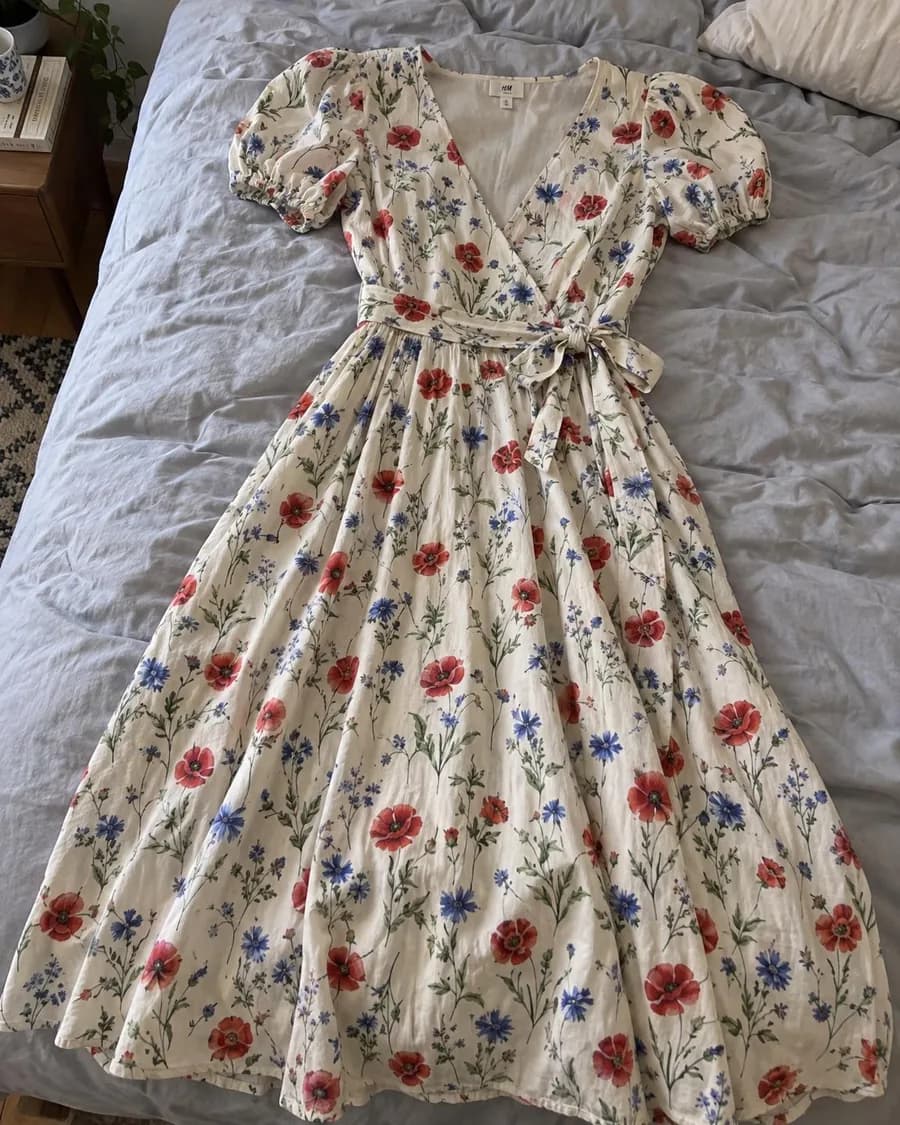
The AI clothes changer in Product Shoot is a virtual try-on for product photos. Upload a garment photo (flat, on a hanger or on a mannequin), choose who wears it (a ready-made AI model, your own fictional character, or a real person who agreed in writing) and the image model dresses them in it. Each result is checked against your garment, from 11 credits.
For product photos. Real people only with written consent; no children or celebrities.
Quick answer
- What it is
- A virtual try-on: the image model draws the model you chose wearing the exact garment from your photo, in the shot you picked.
- What you upload
- A garment photo (flat lay, hanger or mannequin) and, for your own model, their full-length photo with written consent.
- Garments
- Tops, bottoms, dresses, jumpsuits and outerwear; the studio works out what the garment is from your photo.
- Cost
- 11 credits per try-on in standard quality, 12 in high quality ($0.40–$0.73 to $0.44–$0.80, depending on your credit pack). Failed generations are refunded.
- Who can be the model
- Fictional adult AI models, your own characters, or real adults who agreed in writing. No children, no celebrities.
- What it's for
- Product photos for stores, marketplaces and ads, not editing photos of other people.
Real outputs
Try-ons and model shots made with Product Shoot
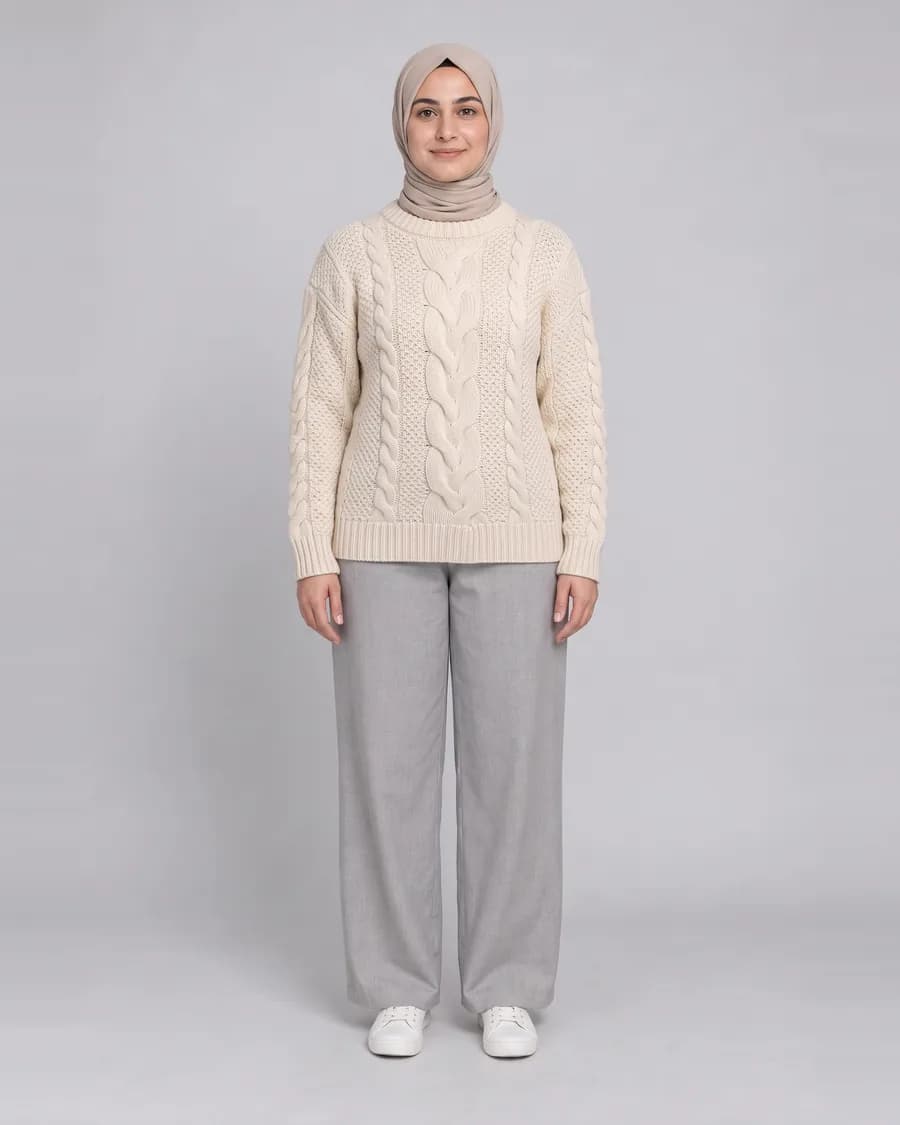
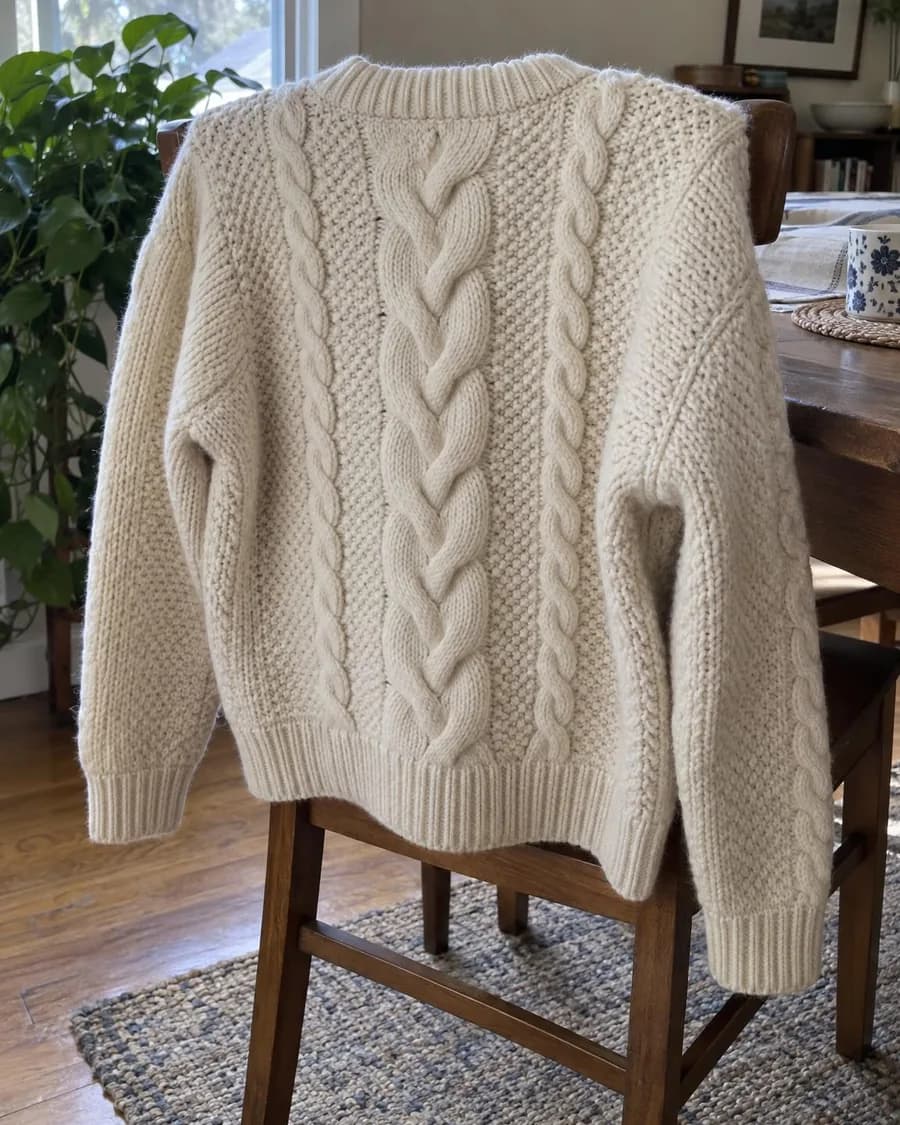
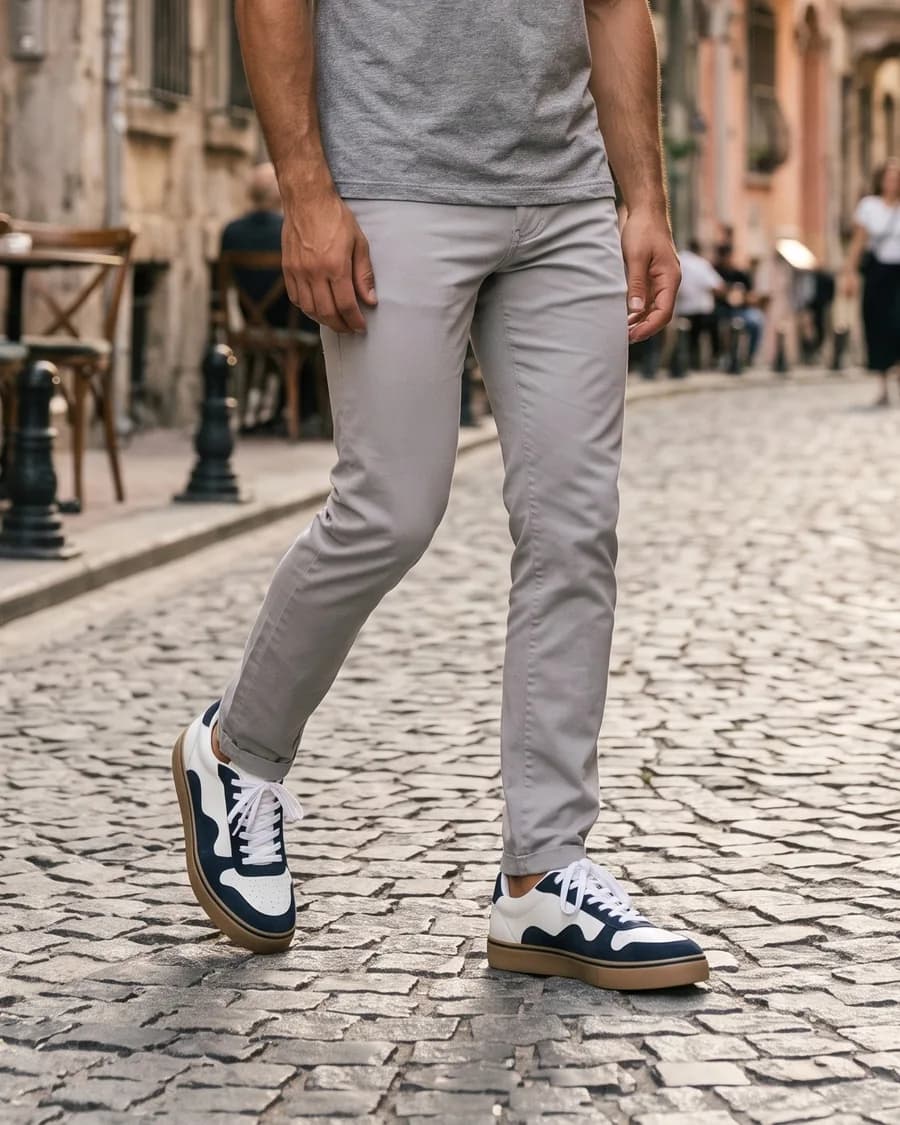
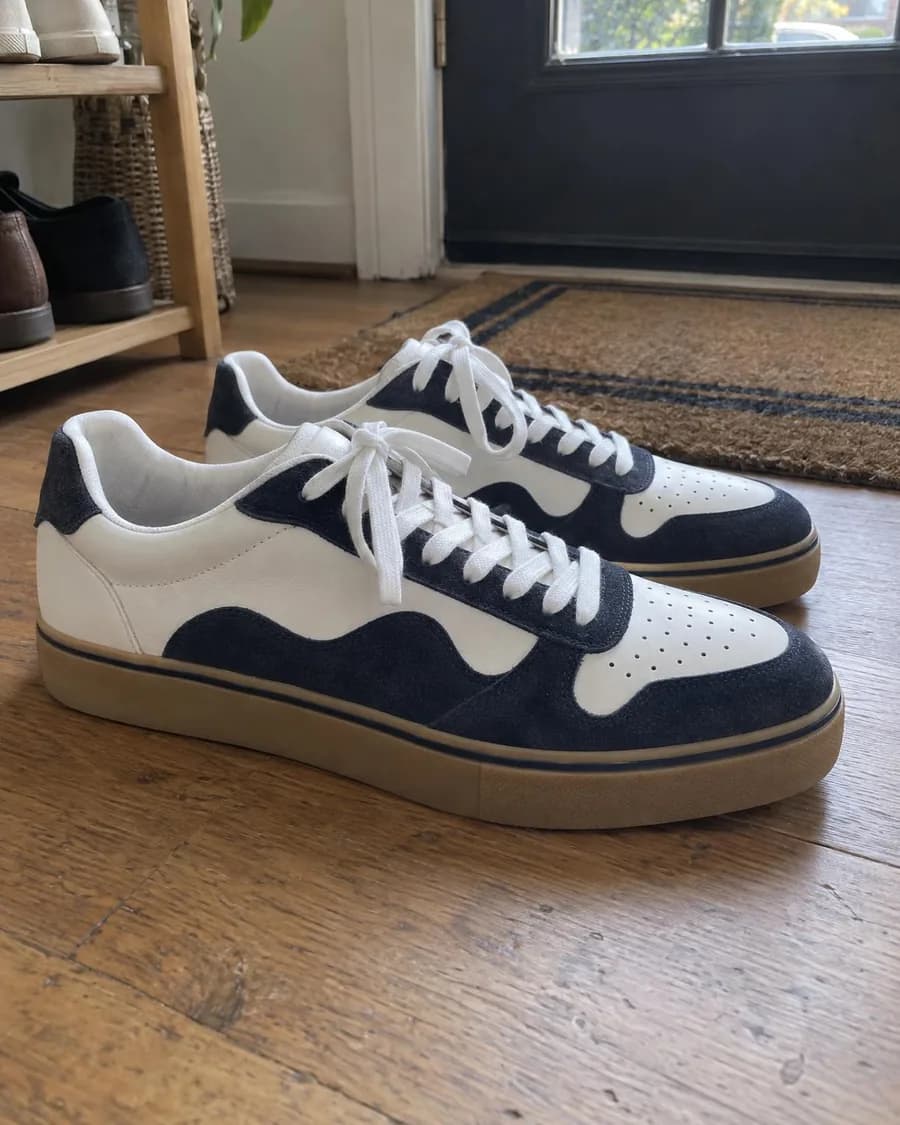
Each pair shows the photo that went in and the image that came out, with the style and the model that made it.
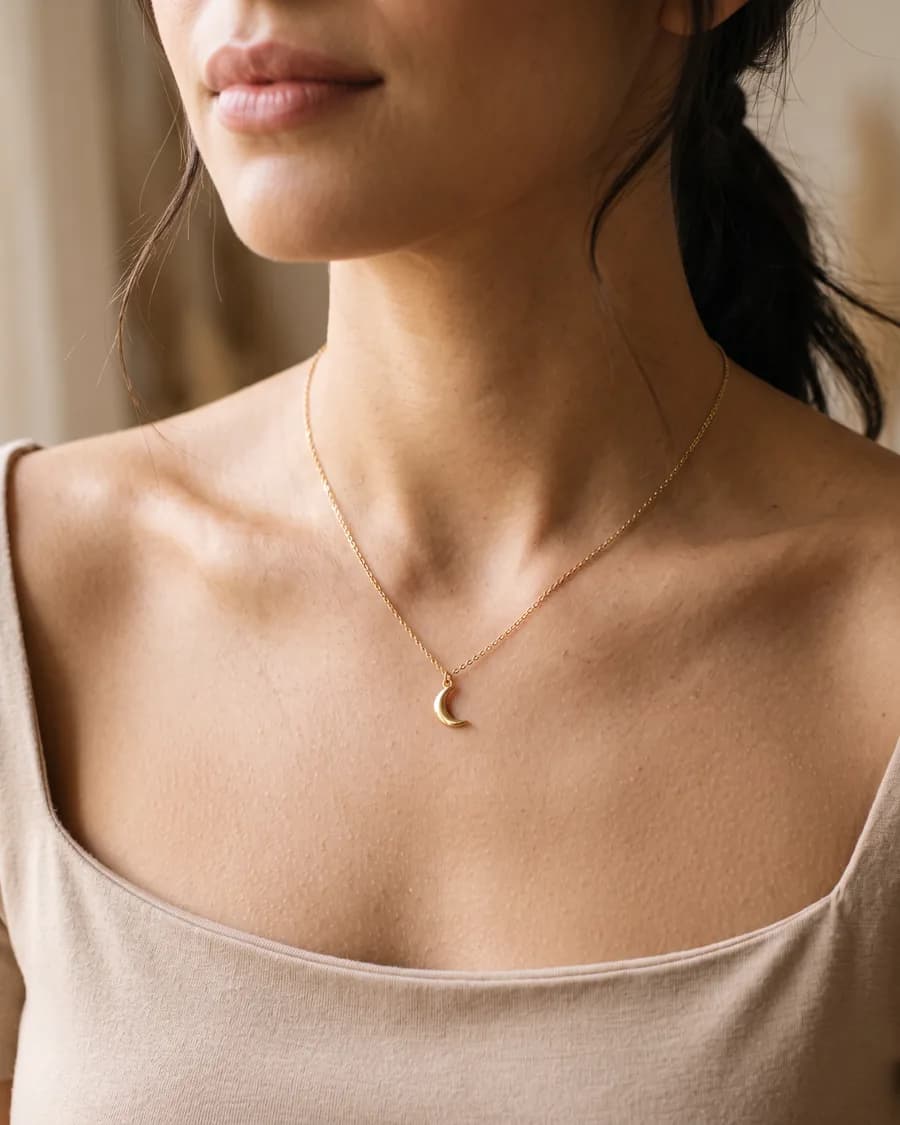
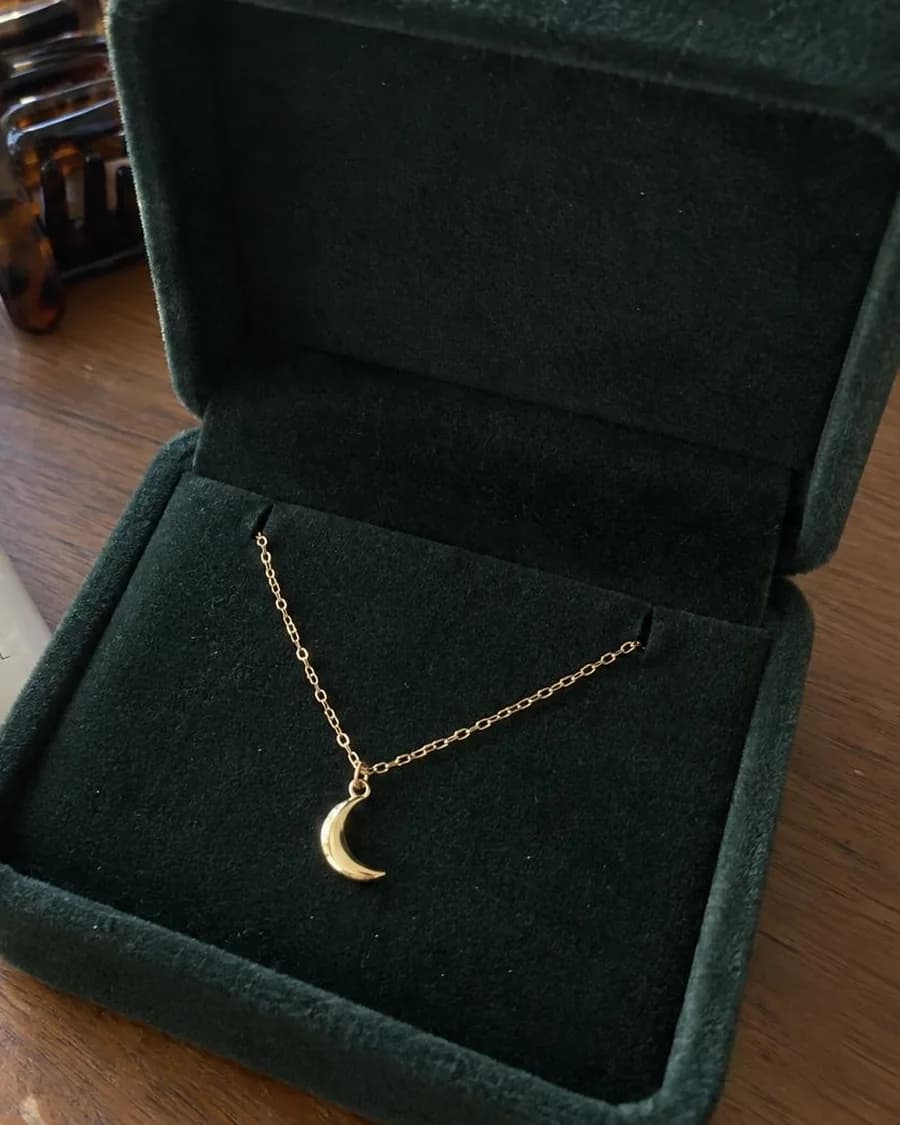
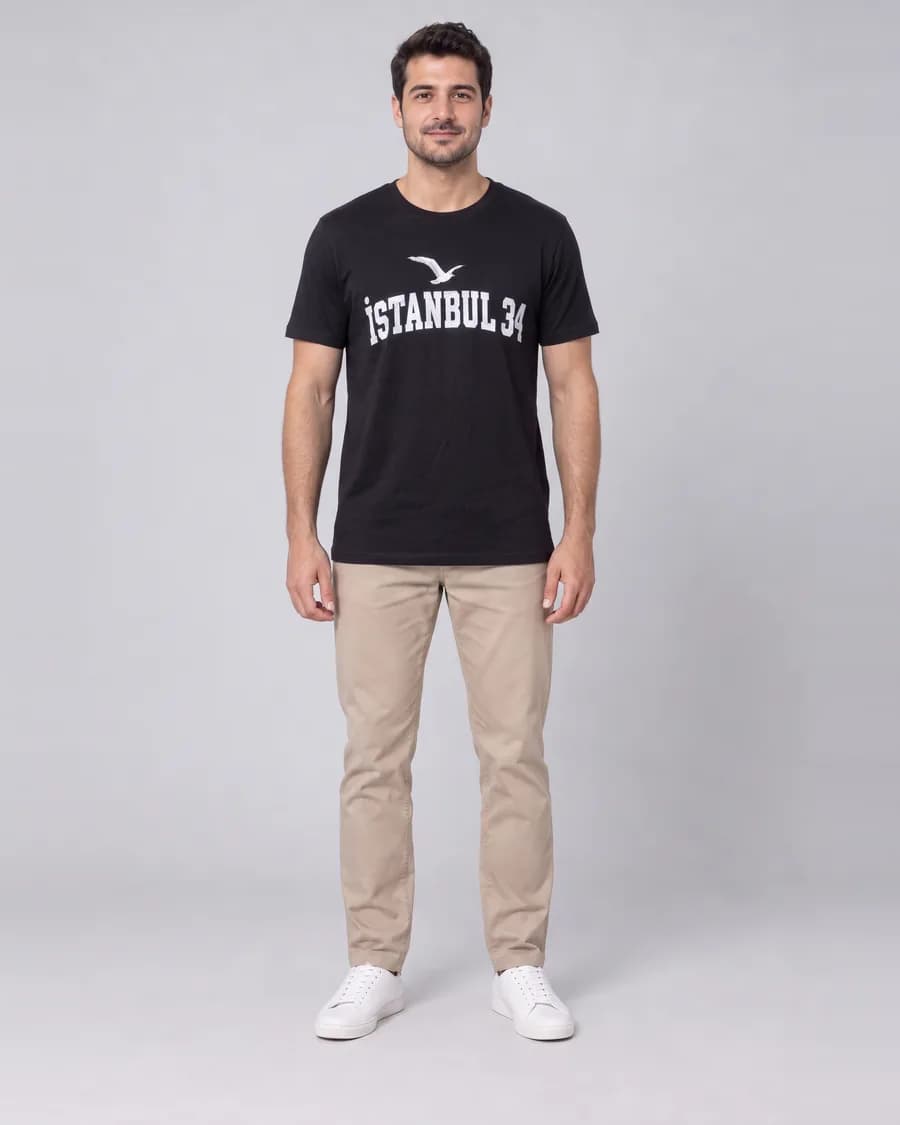
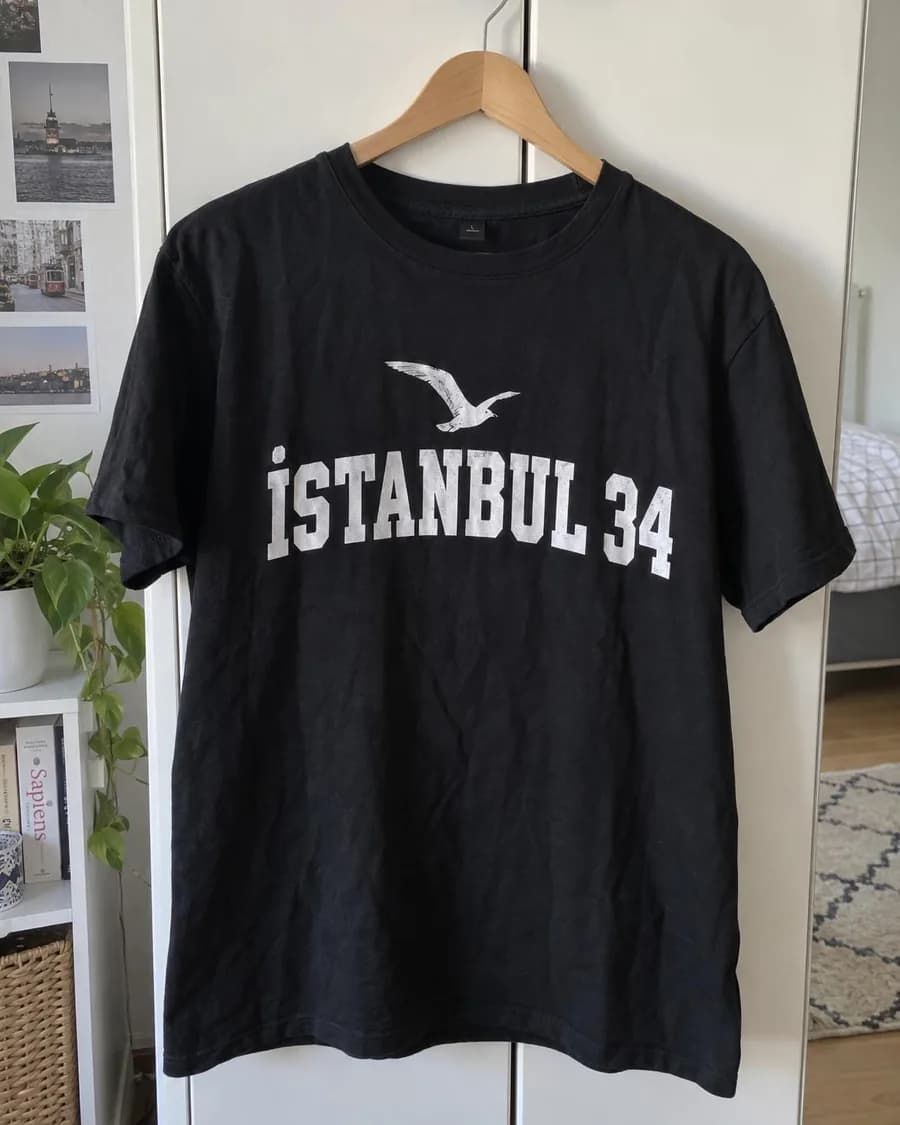
How it works
Virtual try-on in four steps
Upload the garment
One garment per photo: laid flat, on a hanger or on a mannequin, whole and in focus. Add a close-up of the print or label if it matters.
Choose who wears it
A ready-made AI model, one of your fictional characters, or a full-length photo of a real person who gave written consent, which can be you.
Pick the shot and sizes
A catalog shot on a plain studio background, or a street-style scene. Choose marketplace, Instagram or Stories sizes.
Try it on
The model is drawn wearing your garment. Each result is compared with your garment photo before you download it.
Under the hood
How AI virtual try-on works
There are two ways to build a virtual try-on. Dedicated try-on models map a garment onto a person's photo. General image models redraw the whole picture from references and a written instruction. In our own small test (3 garments, November 2026), the image model did better: the dedicated try-on model returned small images (864 pixels wide) and fell apart on a sweater photographed on a chair. So Product Shoot uses the same high-resolution image models it uses for scenes.
Here's what happens when you click shoot. The model's photos go in first, then the garment photos. The instruction says to dress the model in this exact garment, fitted naturally with realistic folds, and to keep the cut, length, neckline, sleeves, color, fabric texture, pattern scale, print, buttons, stitching and any logo or text identical. If the garment has words on it, they're listed so they stay letter for letter. The garment photo can show it flat, hanging or lying on furniture; only the garment itself is used.
The result is a new photo in the style and size you picked: a catalog shot on a plain studio background, or a street-style scene. Because it's drawn, not pasted, it's compared with your garment photo before you use it.
Who wears it
Who can be the model
- Ready-made AI models. Fictional adults: women and men from their 20s to their 50s, slim, average and plus-size, with or without hijab.
- Your own characters. A face you designed with the AI character generator, so your catalog keeps one consistent model.
- A real person, with consent. Your own model, or yourself. You confirm this statement before the photo can be used, and it's stored with the shoot:
The person in the model photo is me, or gave me written, explicit consent to have their face and body processed with AI, to have that data transferred to service providers abroad for this purpose, and to have the images used in ads; they're over 18 and not a celebrity or public figure. If I use these images in ads, I'll say they were made with AI and won't present the person as having used or recommended the product.
What isn't allowed: photos of people who haven't agreed, celebrities and public figures, and anyone under 18. Every upload goes through the same moderation as the rest of the site, and images that look sexual are blocked. Kids' clothing is shot without a model.
Better results
Photos that give the best try-on results
The garment photo:
- The whole garment in the frame, front facing, ideally on a plain background.
- Flat and smooth: no folds over the print, sleeves spread, the collar open.
- Even daylight, no harsh shadows, nothing covering the details.
- One garment per photo. Add a close-up if there's a logo, a label or fine print.
Your own model photo:
- Full length, facing the camera, in sharp focus and good light.
- A plain background and simple, close-fitting clothes, so the person is easy to read.
- Arms slightly away from the body, nothing held in front of the torso.
Terms
Clothes changer, virtual try-on or AI fashion model?
People use the three terms for overlapping things. Here's how they map to Product Shoot:
- AI clothes changer: the general idea of changing what someone in a photo is wearing. In a product context that's a try-on.
- Virtual try-on: a specific garment, from a product photo, worn by the model you choose. This page.
- AI fashion model: a fictional model wearing your product in catalog and editorial shots, including accessories. See AI fashion models.
Shops that also need white-background images and marketplace sizes will find them in the same shoot; see AI product photography.
Pricing and labels
What a virtual try-on costs, and when to label it
A try-on is 11 credits in standard quality ($0.40–$0.73) and 12 in high quality. Four variations cost four times that. Packs start at $5 for 75 credits.
A white-background image of the garment alone is 3 credits. If a generation fails, its credits come back automatically. Images with photorealistic AI people may need a label, depending on where they run:
- EU AI Act, Article 50: Applies from August 2, 2026. Providers of AI systems that generate images must mark the output in a machine-readable way, and anyone publishing a realistic AI image of a person that could pass as real has to disclose that it's AI-generated. Source.
- TikTok ads: Ads with content that's completely AI-generated must be disclosed, with TikTok's AIGC label or your own clear caption or sticker. Undisclosed AI content can get the ad rejected. Source.
- Amazon: Sellers must tag product images that contain photorealistic AI-generated people with the keyword contains-synthetic-performer in the image metadata, in every Amazon store. Source.
Rules checked on November 2, 2026. Platforms change them often, and this isn't legal advice.
Highlights
Why use virtual try-on here
The garment, locked
Cut, length, neckline, sleeves, color, fabric, pattern, buttons, stitching and any text are spelled out for the image model to keep.
Any garment photo
Flat lay, hanger or mannequin, even a sweater lying on a chair. Only the garment is used; the rest of the photo is ignored.
Models for every customer
Ready-made AI models from their 20s to their 50s, slim to plus-size, with or without hijab.
Consent built in
Real people only with written consent, confirmed in the studio and stored with the shoot. Celebrities are blocked.
Checked before you use it
Each try-on is compared with your garment photo; if the text or the garment changed, you see it and can redo the image once for free.
Any size, straight into ads
Try-ons render at the shape of the format you pick. Add your headline and price in the ad designer, or turn it into a video.
Honest limits
What the clothes changer won't do
- It changes what the model is wearing, not who the model is: it doesn't swap faces or change a person's body.
- Every try-on is a new image. With a real person's photo, the face and body are drawn from it, but a close likeness isn't guaranteed; check every image before you use it.
- Photos of other people need their written consent. Celebrities, public figures and anyone under 18 can't be used, and uploads are checked.
- Sexual or revealing images are blocked by moderation.
- Fine prints, small logos and subtle colors or fabrics can still shift. The check catches changed text and obvious errors more reliably than small color shifts, so look closely.
- It isn't free. Every try-on costs credits, and there's no free trial for images.
FAQ
Common questions
What is an AI clothes changer?
An AI clothes changer shows a person wearing a different garment than in the original photo. The useful version for sellers is a virtual try-on: you give it a photo of your garment and choose a model, and it creates a photo of that model wearing the garment, for your store or ads.
How does virtual try-on work?
The garment photo and the model's photos go to the image model together with an instruction to dress the model in that exact garment: the same cut, length, neckline, sleeves, color, fabric, pattern, buttons, stitching and any logo or text. The model draws a new photo of the person wearing it in the shot you chose. Because the whole image is drawn, each result is compared with your garment photo, printed text letter by letter.
Is there a free AI clothes changer?
Not here. Every try-on runs on a paid image model, so it costs credits: 11 credits in standard quality, and packs start at $5 for 75 credits, with no subscription. Uploading garments and seeing the product recognition doesn't cost anything.
Can I change the clothes on a photo of someone else?
Only if they agreed in writing to having their face and body processed with AI and the images used, and only if they're an adult and not a celebrity or public figure. You confirm this in the studio before the photo can be used, and uploads are checked for public figures. If you don't have that consent, use a ready-made AI model instead.
Can I try clothes on my own photo?
Yes. Upload a full-length photo of yourself as your own model and confirm that the person in the photo is you. A sharp photo facing the camera, on a plain background, gives the model the clearest reference. The result is a new image drawn from your photo, so check that it still looks like you.
Will the print and logo on the garment stay the same?
Most of the time. The instruction asks for the garment to stay identical, down to the text, and in our tests large printed text came out letter for letter correct. Every result is compared with your garment photo; if something changed, the image is flagged and you can redo it once for free. Subtle color or fabric shifts are harder to catch, so look closely too.
What kinds of clothes work?
Tops, bottoms, dresses, jumpsuits and outerwear, photographed flat, on a hanger, on a mannequin or even lying on furniture. Sheer fabrics, very loose fits and layered outfits are the hardest. Shoes, bags and jewelry go into model scenes rather than a try-on.
Learn more: AI fashion models
Can I use the try-on images in my store and ads?
Yes, under our terms, for personal and commercial use. Show the garment as it really is, don't present an AI model as a real customer, and label images with AI people where the platform or law asks for it. Exports carry metadata that marks them as AI-generated.
Try your garments on a model
Signing up is free, and uploading garments costs nothing. Try-ons need credits; packs start at $5 for 75 credits, with no subscription.
Try a garment on a model