Guide · 12 min read · Nov 2, 2026
High angle shot: what it is, film examples and how to get one
A high angle shot places the camera above the subject's eye level, looking down. It ranges from a shallow tilt just above eye level to nearly straight down; at about 90 degrees it becomes a bird's-eye or overhead shot. Filmmakers use it to show scale, build tension or make a character look exposed, though research suggests the effect depends on context.

This guide covers what a high angle shot means in film and photography, what it's used for, well-known film examples, how it compares to low angle, bird's-eye, overhead and aerial shots, and how to get the angle with a phone, a sketch or an AI video prompt. If you want the full set of angles and moves first, start with our camera movements and angles guide.
Definitions come from Wikipedia, StudioBinder, SIRUI and Google's official video prompt guide. The section on whether the angle makes people look weak draws on published research summaries. Everything was checked on November 2, 2026, and Klakix credit prices may change.
What is a high angle shot?
A high angle shot is a camera angle where the camera sits above the subject and looks down at it. Wikipedia describes it as a cinematic technique that can make the subject seem vulnerable or powerless when the mood, setting and effects support it. StudioBinder adds that the angle can range from a shallow tilt just above eye level all the way to directly above the subject.
Height is what separates it from related shots. According to Wikipedia, a high angle is low enough to reach without flight, which is why a staircase, a balcony or a raised tripod is usually enough. Photography has its own everyday version, the "MySpace angle": a selfie taken from above where the face fills the frame and the body shrinks away.
What is a high angle shot used for?
A high angle shot is used for three main jobs, according to StudioBinder's framework:
- Narrative: showing scale, crowds and context so the viewer understands where everything is. StudioBinder notes these are usually shot at a shallow angle.
- Visceral: steep, often extreme angles that build tension.
- Character-driven: making a character look small, exposed or vulnerable inside the scene.
It isn't only for dark moments. Epidemic Sound points out that high angles usually carry negative emotions but can also express surprise and awe. It also draws a useful line on steepness: a shallow angle reveals information in a restrained way, while a near-90-degree angle demands an immediate reaction.
High angle shot examples in film
Commonly cited high angle shot examples in movies include thrillers, blockbusters and a prison drama. The descriptions below are our own summaries of how StudioBinder and Backstage analyze them.
High angle shot examples in film
| Film | Scene | What the angle does |
|---|---|---|
| Psycho | Detective Arbogast climbing the stairs, seen from above | Builds tension (StudioBinder's visceral use) |
| Jurassic World | Characters framed from above | Stands in for a looming threat |
| The Shawshank Redemption | Andy's escape | Shows how exposed, and how free, he feels |
Sources: StudioBinder (updated Jun 23, 2025) and Backstage (about 2022). Checked November 2, 2026.
StudioBinder also lists Citizen Kane, Mad Max: Fury Road, Titanic, Dobby in Harry Potter and The Princess Bride, and Backstage adds Nope. Backstage notes the angle works in close-ups, medium shots and wide shots alike.
High angle shot vs low angle, bird's eye, overhead and aerial shots
A high angle shot tilts down from a height you can reach without flying, while a bird's-eye or overhead shot looks straight down at about 90 degrees and a low angle sits below eye level looking up. Aerial describes where the camera is, in the air, rather than a specific tilt.
Camera angles compared
| Shot | Camera position | Tilt | Horizon | Typical gear | Common effect |
|---|---|---|---|---|---|
| High angle | Slightly to well above eye level, reachable without flight | Tilted down | Often visible | Tripod or handheld | Subject looks smaller; context and scale |
| Bird's-eye / overhead | Directly above the subject | Straight down, about 90° | Not visible | Rig, monopod, crane or drone | Patterns, isolation, map-like view |
| Aerial | In the air | Can be tilted or straight down | Depends on tilt | Drone or aircraft | Describes vantage, not angle |
| Low angle | Below eye level | Tilted up | Varies | Varies | Strength and superiority in one classic study |
Sources: SIRUI bird's-eye guide, Wikipedia, StudioBinder overhead shot guide, Google Cloud video prompt guide, Baranowski & Hecht summary of Kraft (1987). Checked November 2, 2026.
The low angle is the mirror image: the camera sits below the subject and looks up. Taken to the extreme, from ground level straight up, it's usually called a worm's-eye view. Our low angle shot guide covers how to frame it.

Does a high angle shot make someone look weak?
A high angle shot can make someone look weaker, but the research is mixed and the effect depends on context. Two studies show how different the results can be:
- Kraft (1987): in picture stories, low angles gave an impression of strength, eye level gave parity and high angles created impressions of weakness, passivity and insignificance, as summarized by Baranowski & Hecht.
- Baranowski & Hecht: with 12 actors filmed about 30° above or below eye level, people rated the actors most trustworthy at eye level. High and low angles lowered trust equally, and camera height had no effect on attractiveness or personality ratings. The authors conclude that context plays an important role.
The practical takeaway: the angle nudges the viewer, but the story, lighting and performance decide what they feel. A high angle on a smiling person in a sunny square reads very differently from the same angle on someone alone in a dark hallway.
How to take a high angle shot with a phone or camera
To take a high angle shot, raise the camera above your subject's eye level and tilt it down; the steeper the tilt, the stronger the effect. A phone works fine, and SIRUI notes a tripod or handheld is the usual setup for a classic high angle.
- Find a higher vantage point: Stand on a stair or a sturdy step, use a balcony, or raise a tripod or your arm above head height.
- Start just above eye level: Position the lens slightly above the subject's eyes for a shallow, restrained high angle.
- Tilt the camera down: Angle the lens toward the subject. Keep the tilt shallow to show context, and go steeper only if you want a stronger, more urgent feel.
- Decide on the horizon: Keep some horizon or background in frame so it reads as a high angle. If you remove it and point straight down, you've made an overhead or bird's-eye shot.
- Check foreshortening: From above, a person's head looks larger and the body shorter. If that's not the look you want, reduce the tilt.
- Choose the shot size: Go wide to show scale and surroundings, or close in to focus on a face. See our wide shot guide for framing scale.
- Take an eye-level version too: Since the effect depends on context, shoot the same moment at eye level and compare before you pick one.
How to draw a high angle shot
Drawing a high angle follows the same logic as shooting one: the parts of the subject closest to the viewer, the head and shoulders, appear larger, the body shortens toward the feet, and more of the ground shows around the figure. In a storyboard, write "high angle" in the panel note so everyone reads the drawing the same way.
How to get a high angle shot in an AI video prompt
To get a high angle shot from an AI video model, name the angle at the start of the prompt and then describe what sits below the camera. Google's official video prompt guide defines a high-angle shot as one that places the camera above the subject, looking down, and uses "high-angle shot of a child lost in a crowd" as its example. Google's Veo 3.1 prompting guide pairs the angle with a camera move, such as a wide, high-angle crane shot.
Here are prompt patterns we wrote that you can copy and adapt:
- "High-angle shot looking down at a barista wiping an empty counter after closing, warm lamp light, quiet mood."
- "Wide, high-angle shot from a balcony over a morning street market, shoppers moving between stalls, rooftops and horizon visible."
- "Slow crane shot rising to a high angle over a lone cyclist on an empty road at dusk."
- "Bird's-eye view, directly overhead: a breakfast table with plates and cups arranged in a neat grid." Use this one when you want straight down, not a tilt.
These work because the angle term comes first, and details like a visible horizon or a balcony tell the model you mean a tilt, not a map-like overhead view. Models don't always follow camera wording exactly, so results can vary and you may need to regenerate.
On Klakix, you'd do this in Text to Video: paste the prompt, pick a model and set the length and aspect ratio. Google Veo 3.1 Lite defaults to 8 seconds, 720p, 16:9 for 40 credits, about $2.67 on the Mini pack (75 credits for $5, our math). MiniMax H3 Max Turbo defaults to 5 seconds at 768p for 20 credits, about $1.33. If a generation fails, the credits are refunded automatically.
To test framing cheaply before spending video credits, generate a still in Image Generation: Nano Banana 2 costs 8 credits (about $0.53) and Muse Image costs 2. For planned sequences, the 3D Scene beta lets you give each shot one of 16 camera moves, and Seedance 2.5 Reference renders the result; camera work is free, while the blockout and final video cost credits. The 20 free signup credits work only for voiceover, so video needs a credit purchase; see pricing.
The two samples below came from aerial, high-vantage prompts. They sit closer to bird's-eye than a classic tilted high angle, but they show how models handle a camera placed above the scene.
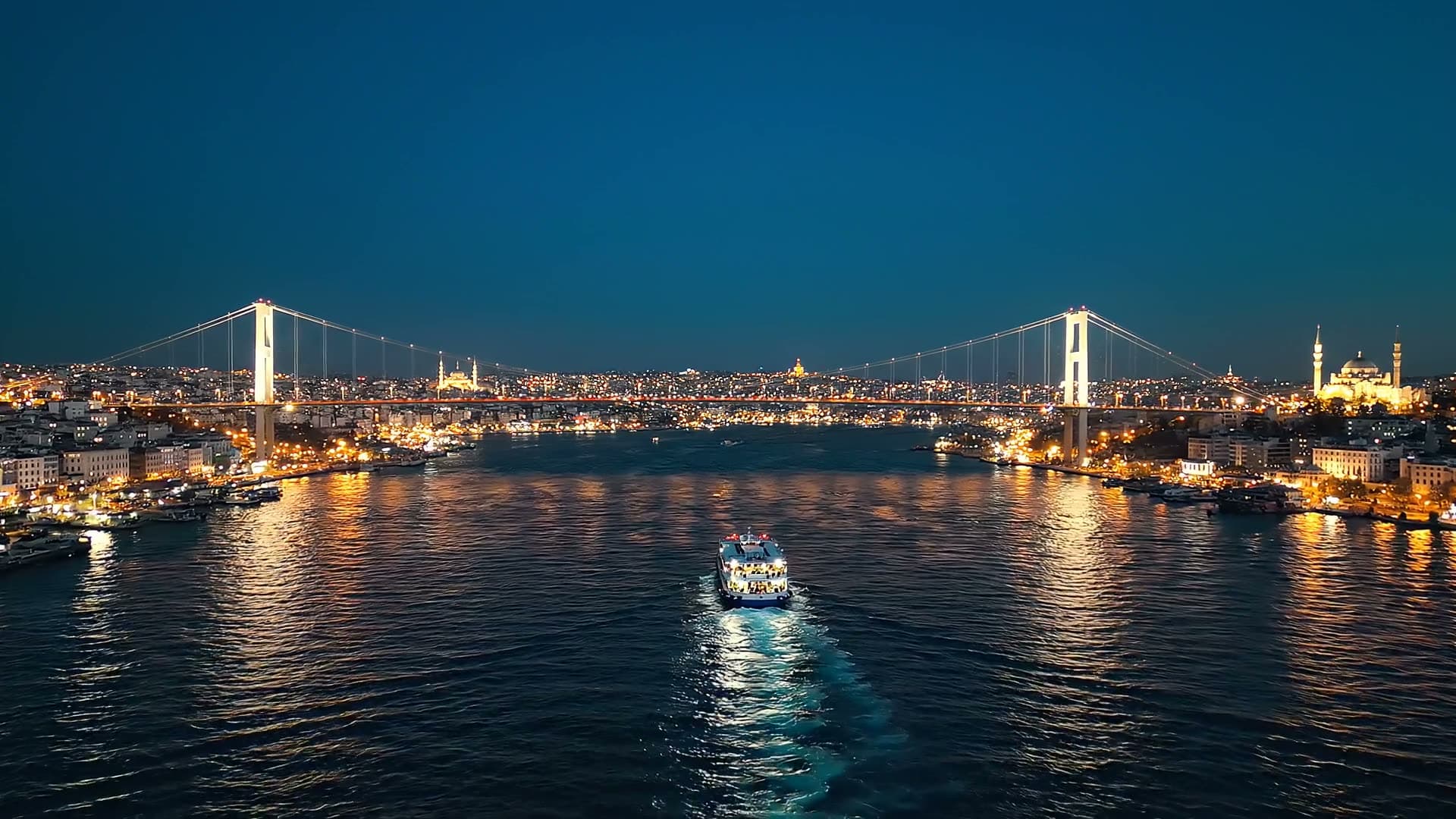
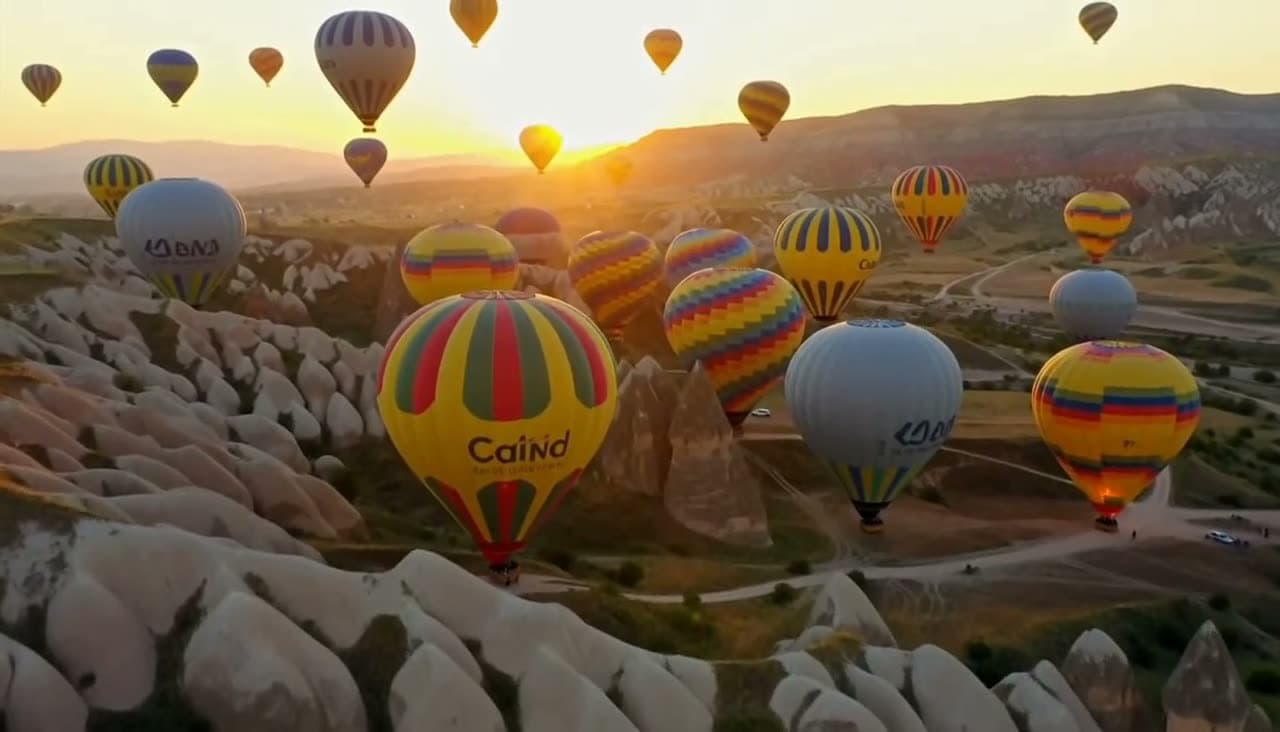
Each sample was generated in one take on this site with the model shown on it; nothing was edited.
Sources
The facts in this post were checked against the pages below on Nov 2, 2026. Prices and limits may change.
- Wikipedia: High-angle shot (independent source)
- StudioBinder: High angle shot (independent source)
- Backstage: High angle shot examples (independent source)
- Epidemic Sound: What is a high angle shot (independent source)
- SIRUI: What is a bird's-eye view shot (independent source)
- StudioBinder: Overhead shot (independent source)
- Baranowski & Hecht: Effect of camera angle on perception (independent source)
- University of Twente thesis (Sättelli) (independent source)
- University of Twente thesis (Maathuis, 2010) (independent source)
- Springer chapter on package images (2022) (independent source)
- Google Cloud: Video generation prompt guide (official source)
- Google Cloud blog: Ultimate prompting guide for Veo 3.1 (official source)
This post was drafted with AI assistance. Facts were checked against the sources above, and model, credit and price details were checked automatically against the site's current price list.
Frequently asked questions
What is a high angle shot in film?
It's a shot where the camera is placed above the subject and looks down at it. The tilt can be slight, just above eye level, or steep. Filmmakers use it to show scale, build tension or make a character seem exposed.
What is a high angle shot used for?
Common uses are showing crowds and surroundings, building tension with steep angles, and making a character look small or vulnerable. It can also express surprise or awe. The effect depends heavily on the scene's mood and lighting.
What is the difference between a high angle shot and a low angle shot?
A high angle looks down on the subject from above eye level, while a low angle looks up from below it. In one classic study, low angles read as strong and high angles as weak. A later study found both lowered trust equally compared with eye level.
Is a high angle shot the same as a bird's eye view?
No. A high angle is tilted down from a reachable height and often keeps the horizon in frame. A bird's-eye view points straight down at about 90 degrees, shows no horizon and usually needs a crane, rig or drone.
What is an extreme low angle shot called?
An extreme low angle, taken from near the ground looking up, is usually called a worm's-eye view. It's the opposite of a bird's-eye view. A regular low angle sits just below eye level.
How do you get high angle shots with a phone?
Hold the phone above your subject's eye level, from a step, stair or raised arm, and tilt it down. Keep the tilt shallow to show context and steeper for drama. Watch for the head looking oversized and reduce the tilt if needed.
What is a high angle shot of a person in photography?
It's a portrait taken from above, so the face appears larger and the body foreshortened. The familiar high-angle selfie, sometimes called the MySpace angle, is the everyday version. A shallow tilt keeps proportions more natural.
Can I make a high angle AI video for free on Klakix?
No. The 20 free credits you get after verifying your email work only for voiceover. A high angle clip with Veo 3.1 Lite costs 40 credits at default settings, and MiniMax H3 Max Turbo costs 20.
Try what you just read
Signing up is free. Video and image tools unlock after your first credit pack, and credits are refunded if a generation fails.
Open Text to Video