Guide · 14 min read · Nov 5, 2026
Establishing shot: what it is and why scenes need one
An establishing shot is the opening shot of a scene that shows viewers where and when the action happens. Dictionary.com describes it as usually very wide and dates the term to 1940-45, but it's defined by its job, not its size: a close-up of props can establish a scene too. On vertical video, we suggest 2 to 4 seconds.

Below you'll find how it differs from wide, long and master shots, classic movie examples, a planning checklist and copyable AI prompts for when you don't have a crew or a drone.
Sources were checked November 5, 2026. If you want a refresher on frame sizes and moves first, our shot types guide and camera movements guide cover the basics.
What is an establishing shot?
An establishing shot is the shot, or short run of shots, that opens a scene and tells the viewer where and when the action takes place. Merriam-Webster defines it as "a usually long shot in film or video used at the beginning of a sequence to establish an overview of the scene that follows." Dictionary.com calls it a scene-opening shot, "usually very wide," that sets up context, and says the term was first recorded in 1940-45.
According to Adobe's cinematography guide, establishing shots are "typically wide or extreme wide shots of buildings or landscapes" and often include signage, landmarks or other obvious signals of place and time. Adobe adds that they can also set up a point of view or help develop a character.
Location is only part of the job. No Film School points out that an establishing shot can also show the time of day, the season, a character's economic reality and the emotional tone. In the opening of 35 Shots of Rum, railroad tracks and workers in the foreground tell you what the main character does for a living.
Establishing shot vs wide shot, long shot and master shot
An establishing shot is a job, while wide, long, full and medium shots are frame sizes and a master shot is a way of covering a scene. No Film School puts it plainly: "An establishing shot is a function because it sets context. Wide shots are a frame size." Swarmify offers a similar rule of thumb: wide describes framing, master describes coverage and establishing describes narrative purpose.
Establishing shot compared with other shot names
| Shot | What the term describes | Typical look | Relationship to an establishing shot |
|---|---|---|---|
| Establishing shot | Narrative job: sets place, time and context | Usually wide or extreme wide, but any size can work | It is the job itself |
| Wide shot | Frame size | Subject small in a large setting; often 16mm to 35mm lenses | Common choice for establishing, but can appear anywhere in a scene |
| Long shot | Frame size, often used as a synonym for wide | Whole subject plus a lot of surroundings | The size dictionaries name as the usual choice |
| Extreme long or extreme wide shot | Frame size | The setting dominates and people look tiny | Classic for skylines and landscapes |
| Master shot | Coverage: the whole scene in one continuous take | Often wide, but not a strict rule | Its first seconds often establish the scene, but it is not the same thing |
| Full shot | Frame size | One person from head to toe with a little space around | Rarely establishes on its own; usually follows the opener |
| Medium shot | Frame size | A person from about the waist up | Can establish when props or set clues carry the context |
Sources: No Film School, Soundstripe, Swarmify, Backstage and Adobe; full and medium descriptions are our own summary. Checked November 5, 2026.
The master shot is often confused with it. Backstage defines it as a take that captures all the essential action of a scene "without pause from beginning to end," and Soundstripe notes that a master "is not an establishing shot, even though a master often does that job in its first few seconds." Adobe's shot types page even counts masters among wide shots. For framing details, see our guides to the wide shot and the close-up shot.

Establishing shot examples in movies
Many well-known establishing shot examples in movies move from the big picture to one specific place. These openings come up again and again in film guides from Adobe, No Film School and FilmDaft:
- The Golden Gate Bridge helicopter shot: producer Nick Escobar, quoted by Adobe, calls it the easiest Hollywood example ("Oh, we're in San Francisco, I get it") and notes that the way a city is shot and color graded can hint at the time period.
- The Shining: the camera glides over forests and mountains before the hotel appears on the mountaintop. Adobe notes that only a big-budget production could pay for that helicopter footage at the time.
- Psycho: the opening names the place in on-screen text, then the date and time, then narrows to a single window.
- The Sound of Music: a flight over the Austrian Alps sets the location before the story starts.
- The Grand Budapest Hotel: a wide view of the hotel itself introduces the main setting.
- No Country for Old Men (2007): an empty West Texas landscape opens the film.
- The Fellowship of the Ring: No Film School cites it as an opening where the establishing is done by a sequence of several shots, not one.
Not all of these are aerial skylines. Psycho uses text and a single window, and 35 Shots of Rum uses its foreground to describe a person, which is a useful reminder that context can come from detail as well as scale.
Does every scene need an establishing shot?
No, not every scene needs an establishing shot. No Film School notes that many filmmakers skip it when viewers already know where they are, or leave it out on purpose to disorient them: Saw opens in close-up underwater with no sense of the space. If a scene returns to a location you've already shown, cutting straight to the characters usually works.
How to plan a good establishing shot
A good establishing shot answers one clear question for the viewer, uses light and depth on purpose and then gets out of the way. The steps below draw on advice from No Film School and Adobe; the timing suggestion is our own, not an industry rule.
- Decide what the viewer must learn: Write down the one thing the shot has to tell: the city, the building, the season, the time of day or the mood.
- Pick the time of day: Choose the light deliberately. No Film School notes the same exterior feels very different at golden hour than at noon.
- Add a foreground element: Put something close to the lens, like a fence, branches or a passing tram, to add depth and a clue about the place.
- Choose static or moving: A drone aerial sets geographic scale, a slow push-in builds anticipation and a crane coming down feels like arriving. Keep in mind that a moving camera implies someone is watching.
- Keep it short: We suggest a few seconds for most scenes and 2 to 4 seconds on vertical social video; save longer takes for slow reveals.
- Cut closer: Follow the establishing shot with a wide or medium shot of the characters, then a close-up, so the viewer moves from place to people.
Two practical notes. Filmmaker Van Jensen, quoted by Adobe, points out that drones are "extremely loud," so aerials suit shots that don't need recorded sound; check FAA rules before you fly in the US. WeVideo adds that establishing shots usually need no extra lighting, no sound recording and no worrying about people walking through frame, which is why stock or AI footage fits this shot better than most.
How to put an establishing shot on a shot list
Give the establishing shot its own line on your shot list or storyboard: location, time of day, frame size, camera move, lens and rough length. Because it depends on light, schedule it for the hour you want rather than whenever the crew happens to be free.
Establishing shots for vertical social video
On Reels, TikTok and Shorts, the establishing shot is often the very first frame people see, so it also works as your hook. A 9:16 frame is tall and narrow, which squeezes a wide skyline into a thin strip. Vertical subjects fill it better: a narrow street, a staircase, a tower or a tilt from the rooftops down to a doorway.
Keep it brief before you cut closer, because a scroller hasn't committed to watching yet. Swarmify argues that short web videos lose viewers faster without context, an opinion it doesn't back with published data. Our 1080x1920 guide covers vertical sizes and platform specs.

How to make an establishing shot with AI
You can make an establishing shot with AI by describing the place, light and camera move to a text-to-video model, which returns a single clip. It suits AI well because it usually has no dialogue, no actors and no performance to match. On Klakix this happens in Text to Video.
Establishing shot prompt patterns you can copy
Write prompts in this order: place + time of day + weather + camera move + lens. It works because it answers the questions a cinematographer would ask (where, when, what mood, how we enter) and leaves the model little to guess.
- Coastal town opener: "Wide aerial shot of a small fishing town at golden hour, light fog over the harbor, slow drone push-in toward the lighthouse, 24mm lens."
- Night city scene: "Static wide shot of a corner diner exterior at night in light rain, warm window light reflecting on the wet sidewalk, one car passing, 35mm lens."
- Vertical street reveal: "Vertical shot of a narrow old-town street at blue hour, tall buildings framing the sky, slow tilt down from the rooftops to a lit cafe doorway, 28mm lens."
- Close-up opener: "Macro shot of coffee beans pouring into a grinder in a sunlit cafe, steam blurred in the background, slow push-in, 50mm lens."
If you want a readable place name or date on screen, the way Psycho does it, add it as a text layer in the Video Editor afterward instead of asking the video model to spell it.
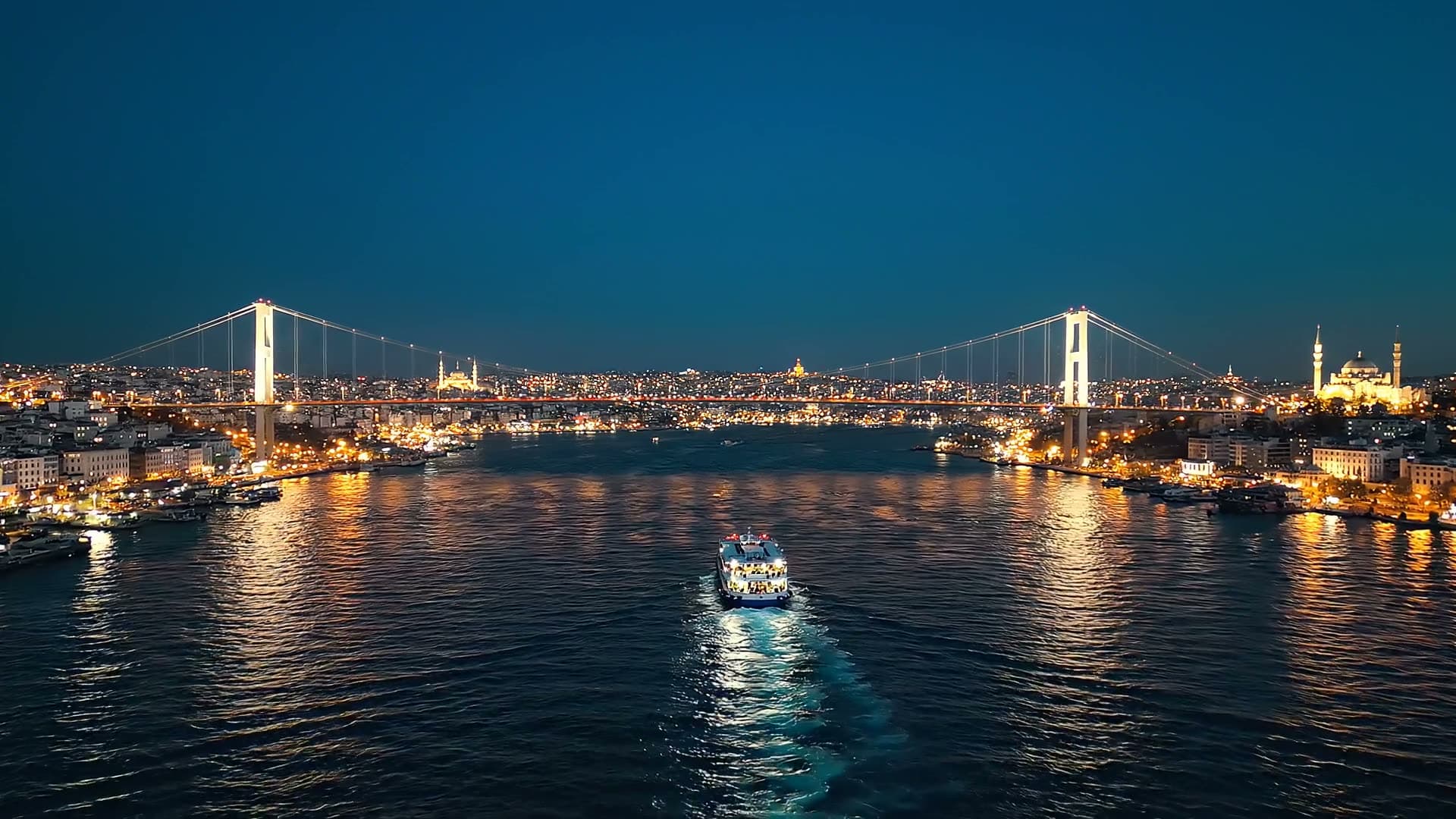
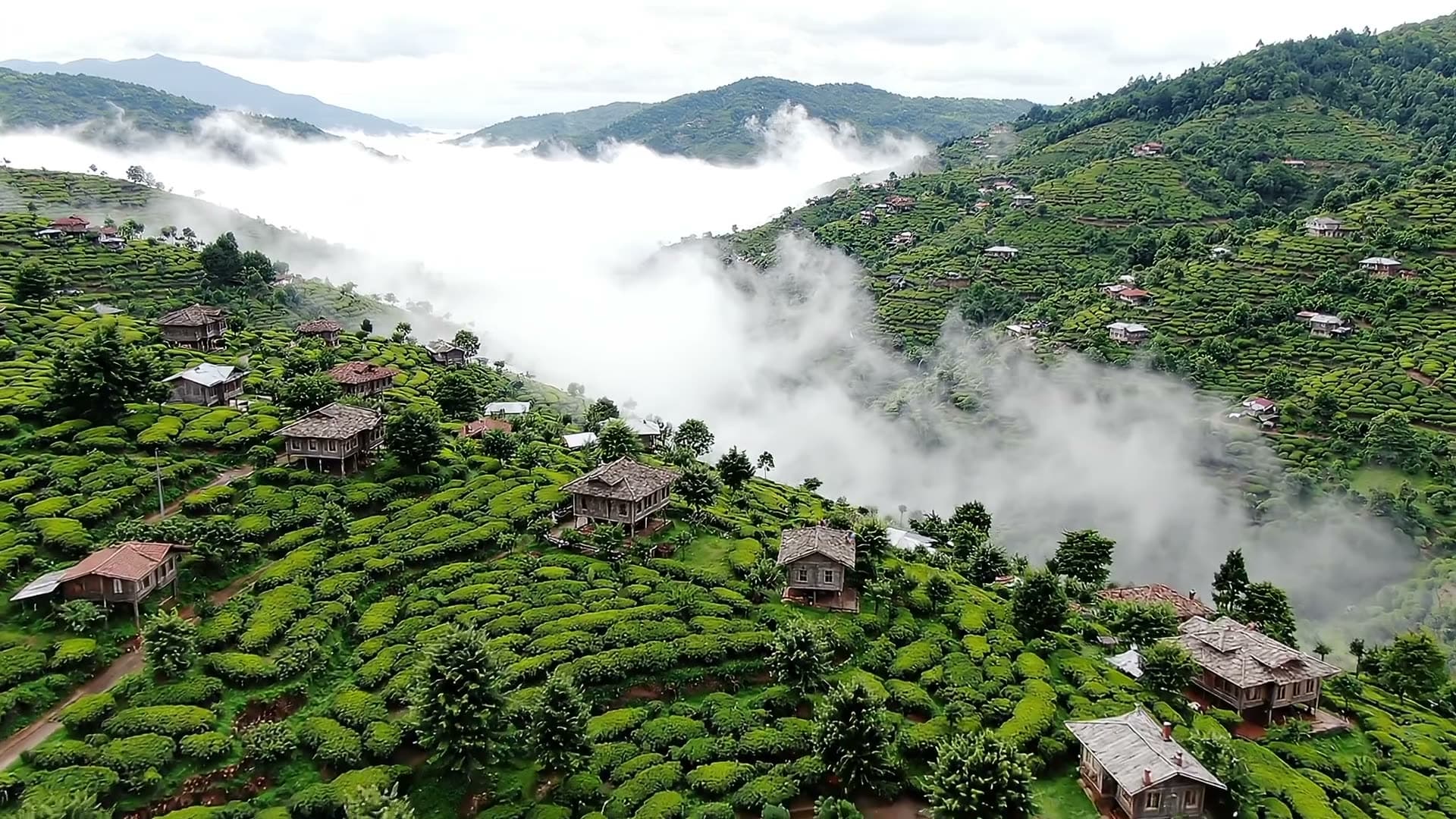
Each sample was generated in one take on this site with the model shown on it; nothing was edited.
Which model to use for an AI establishing shot
Text to Video models suited to establishing shots
| Model | Length options | Aspect ratios | Default cost | About on the Mini pack |
|---|---|---|---|---|
| Google Veo 3.1 Lite | 4, 6 or 8 sec | 16:9, 9:16 | 40 credits (720p, 8 sec) | $2.67 |
| MiniMax H3 Max Turbo | 5, 10 or 15 sec | 16:9, 9:16, 1:1, 4:3, 3:4, 21:9 | 20 credits (768p, 5 sec) | $1.33 |
| Seedance 2.0 Mini | 4 to 15 sec | 16:9, 9:16, 1:1, 4:3, 3:4, 21:9 | 48 credits (720p, 5 sec) | $3.20 |
| Wan 3.0 | 5 to 30 sec | 16:9, 9:16, 1:1, 4:3, 3:4 | 100 credits (720p, 10 sec) | $6.67 |
| Kling 4.0 | 3 to 30 sec | 16:9, 9:16, 1:1, 21:9 | 79 credits (720p, 5 sec) | $5.27 |
Source: Klakix catalog. Dollar figures are our math on the Mini pack ($5 for 75 credits, plus tax). Checked November 5, 2026; may change.
Veo 3.1 Lite can generate ambient sound along with the picture, which helps a city or nature opener feel real; see our Google Veo page. Wan 3.0 and Kling 4.0 make a single shot up to 30 seconds, useful for a slow approach in the spirit of The Shining. Longer and higher-resolution clips cost more credits.
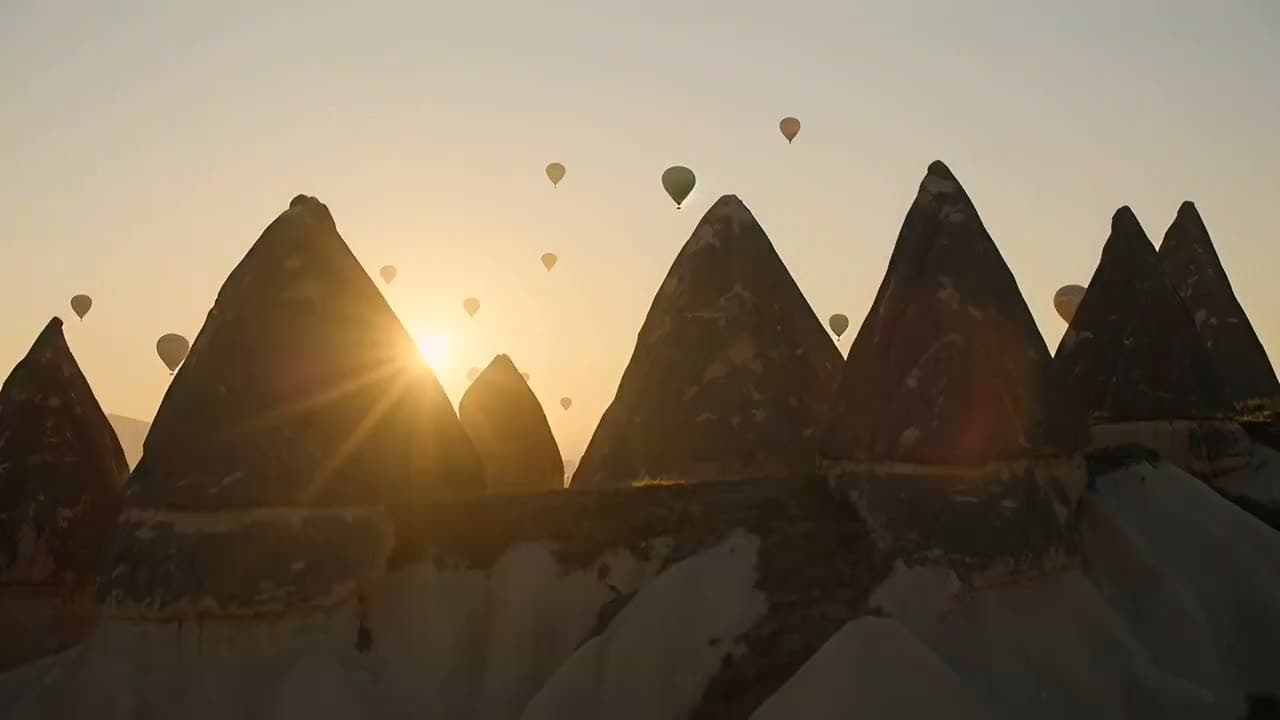
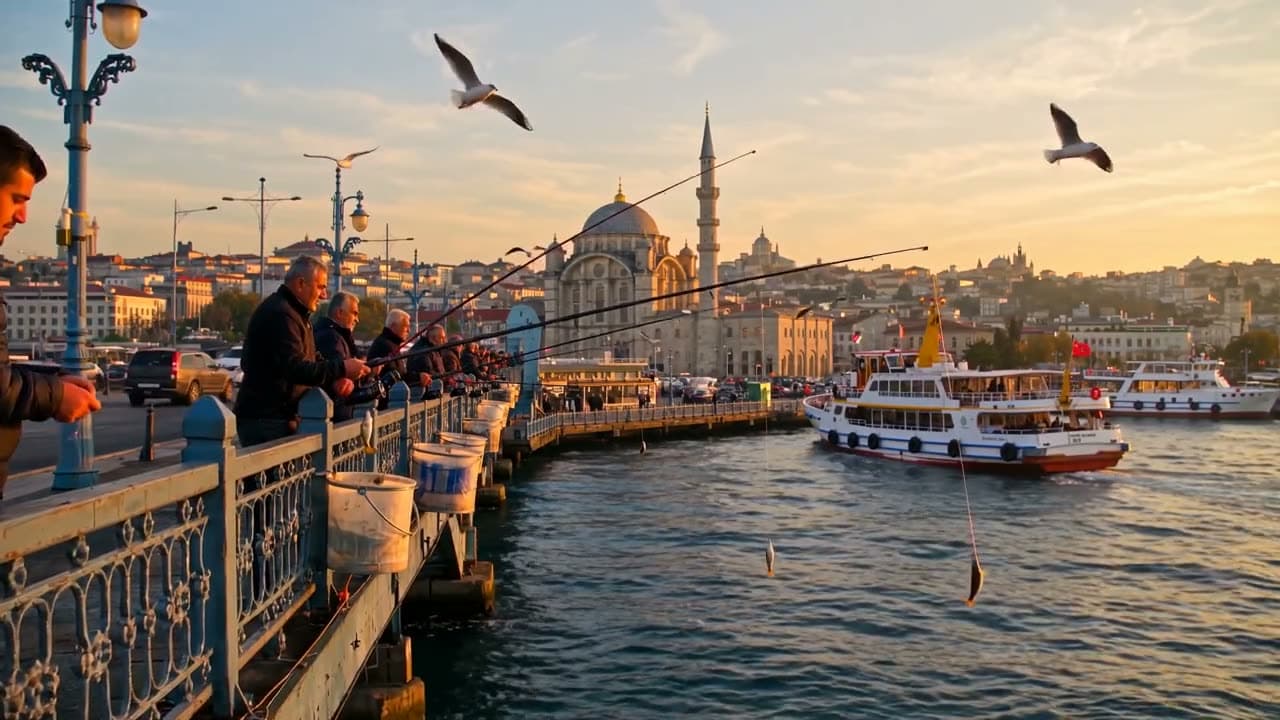
Each sample was generated in one take on this site with the model shown on it; nothing was edited.
For exact camera work, 3D Scene (beta) builds a simple 3D blockout of the scene you describe, lets you give each shot one of 16 camera moves and turns the blockout into a realistic video with Seedance 2.5 Reference. Setting up the camera is free; the blockout and the final video cost credits.
Sources
The facts in this post were checked against the pages below on Nov 5, 2026. Prices and limits may change.
- Merriam-Webster: establishing shot (independent source)
- Dictionary.com: establishing shot (independent source)
- Adobe: What is an establishing shot in film? (official source)
- Adobe: Camera shots and angles (official source)
- No Film School: Don't let your establishing shot be an afterthought (independent source)
- Soundstripe: Master shot (independent source)
- Soundstripe: How to use establishing shots (independent source)
- Swarmify: What you need to know about establishing shots (independent source)
- Backstage: Master shot definition and examples (independent source)
- FilmDaft: What is an establishing shot (independent source)
- WeVideo: Establishing shot (independent source)
This post was drafted with AI assistance. Facts were checked against the sources above, and model, credit and price details were checked automatically against the site's current price list.
Frequently asked questions
What is an establishing shot in film?
It's the shot that opens a scene and shows the viewer where and when the action takes place. It's usually wide, often a building, skyline or landscape, but its purpose is setting context, not a particular frame size.
What is the difference between an establishing shot and a wide shot?
A wide shot is a frame size that can appear anywhere in a scene. An establishing shot is a job: setting up place, time and mood at the start. Many establishing shots are wide, but a wide shot in the middle of a scene isn't establishing anything.
Establishing shot vs master shot: what's the difference?
A master shot covers the whole scene in one continuous take, mainly as editing coverage. Its first few seconds often establish the space, but the two terms describe different things: one is coverage, the other is narrative purpose.
Can an establishing shot be a close-up?
Yes. A tight shot of telling props, like diplomas on an office wall or a drink being poured at a party, can set the scene as well as an aerial view. It works best when the detail clearly signals the place or situation.
How long should an establishing shot be?
There's no official rule. A few seconds is enough for most scenes, and we suggest 2 to 4 seconds on vertical social video. Slow reveals, like an aerial approach to a building, can run much longer if the movement keeps building interest.
What is an establishing shot in photography or comics?
The idea carries over from film. In a photo series or photo essay it's the opening image that shows the setting before the details, and in comics it's typically a first panel showing the location before the characters' close panels.
What is a long shot in film?
A long shot shows a subject in full with plenty of surroundings, and it's often used interchangeably with wide shot. Merriam-Webster calls the establishing shot usually a long shot, so the terms get mixed up.
Can you make an establishing shot with AI?
Yes, because these shots rarely need dialogue or actors. On Klakix you describe the place, light and camera move in Text to Video; MiniMax H3 Max Turbo costs 20 credits for a 5-second clip and Veo 3.1 Lite costs 40 credits for 8 seconds. Video requires purchased credits.
Try what you just read
Signing up is free. Video and image tools unlock after your first credit pack, and credits are refunded if a generation fails.
Open Text to Video