Guide · 12 min read · Nov 9, 2026
Types of camera angles and what each one tells the viewer
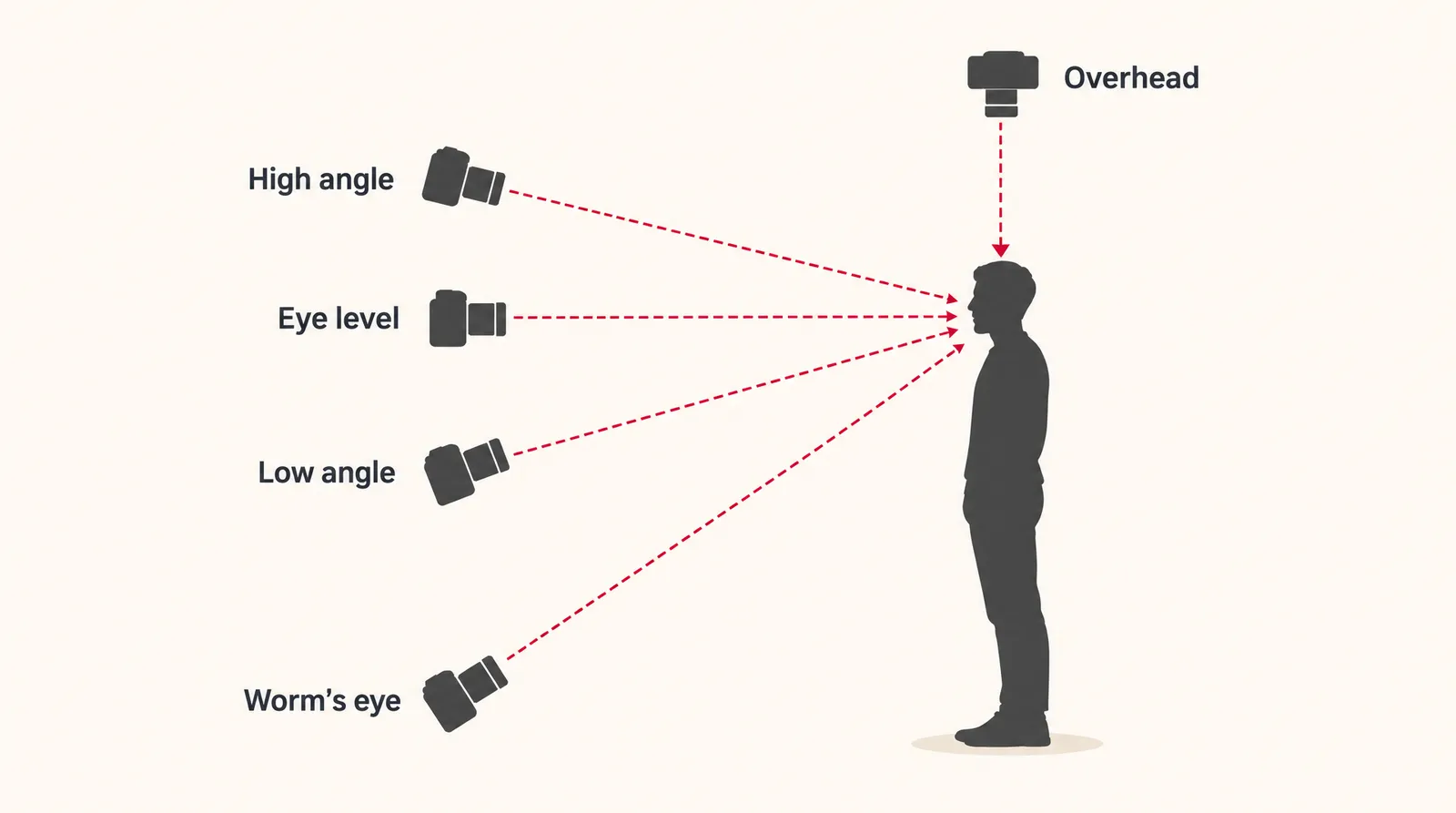
There are about eight core types of camera angles: eye level, high angle, low angle, Dutch angle, overhead (bird's-eye), worm's-eye, over-the-shoulder and point of view, plus height levels like shoulder, hip, knee and ground. Lists online range from 6 to 50+ because many mix in shot sizes and camera movements.
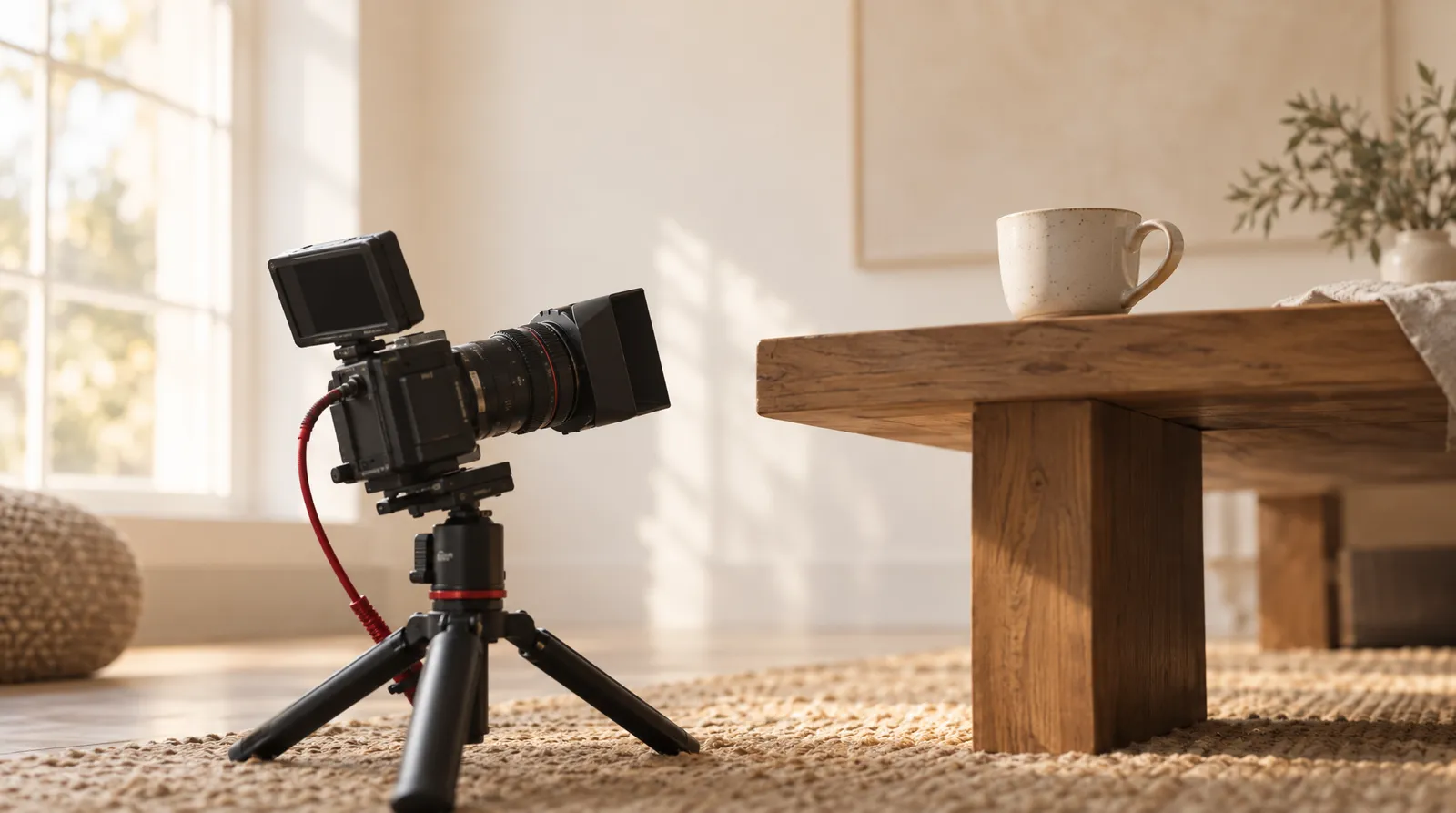
A camera angle describes where the camera sits relative to your subject: how high, how low and how tilted. This guide lists each angle with its camera position, what it tends to tell the viewer, and a short phrase you can copy into an AI video or image prompt. If you want to know how the camera travels during a shot (pans, dollies, orbits), that lives in our guide to camera movements.
Definitions and film examples come from StudioBinder, Shotkit, Adobe, Boords, Epidemic Sound and Wikipedia, all checked on November 9, 2026. Where those sources disagree on names or counts, we tell you instead of quietly picking one.
What are the different types of camera angles?
The main types of camera angles are eye level, high angle, low angle, worm's-eye view, overhead (bird's-eye), aerial, Dutch angle, over-the-shoulder and point of view (POV). StudioBinder's camera angle page lists six of them: low, eye level, high, Dutch, overhead and aerial. The others appear in Shotkit's list and Wikipedia's list of cinematic techniques.
Camera angles at a glance, with prompt phrases to try
| Angle | Camera position | What it often tells the viewer | Prompt phrase to try |
|---|---|---|---|
| Eye level | At the subject's eye height, level | Neutral and familiar; the most commonly used angle | eye-level shot, camera at eye height |
| High angle | Above the subject, tilted down | Can make the subject seem smaller or vulnerable, but not always | high angle shot looking down at the subject |
| Low angle | Below the subject's eyeline, looking up | Often power, fear or sheer scale | low angle shot looking up at the subject |
| Worm's-eye view | At or near the ground, looking up | An extreme low angle; naming varies by source | worm's-eye view from ground level, looking straight up |
| Overhead / bird's-eye | Directly above, pointing down | A detached view from above; the read depends on context | top-down overhead shot, camera directly above |
| Aerial | Very high, from a drone or aircraft | The highest angle; shows place and scale | aerial drone shot high above the landscape |
| Dutch angle | Camera rotated so the horizon runs diagonal | Unease, tension, disorientation | Dutch angle, tilted horizon, canted frame |
| Over-the-shoulder | Behind the listening character, their shoulder in the foreground | Places you inside a conversation | over-the-shoulder shot from behind the listener |
| Point of view (POV) | Where the character's eyes are | Shows exactly what the character sees | first-person POV shot through the character's eyes |
Sources: StudioBinder, Shotkit, Boords, Epidemic Sound, Wikipedia (checked November 9, 2026). Prompt phrases are wording to try; no AI model is confirmed to follow them every time.
How many types of camera angles are there?
There's no standard number of camera angles; published lists range from 6 to more than 50. StudioBinder's angle page lists 6, Epidemic Sound names "ten main camera angles," Boords has 16, Shotkit has 22 and StudioBinder's ultimate guide passes 50.
Camera angle vs camera shot vs camera movement
A camera angle is the camera's height and tilt, a shot size is how much of the subject fills the frame, and a camera movement is how the camera travels during the shot. Many pages call a close-up an "angle," which is where most of the confusion starts. Every real shot combines all three, for example a low-angle close-up with a slow push-in.
The three things every shot description combines
| Axis | Question it answers | Examples |
|---|---|---|
| Angle | Where is the camera and how is it tilted? | Eye level, low angle, Dutch angle |
| Shot size | How close is the subject? | Close-up, medium, wide |
| Movement | How does the camera travel? | Pan, tilt, dolly, orbit |
Based on the categories in Adobe's and StudioBinder's guides (checked November 9, 2026).
Adobe lists the distance-based shot sizes as extreme close-up, close-up, medium close-up, medium, cowboy, medium long, long, full and wide, and Epidemic Sound gives a similar list of nine. Lens choice changes the look too: according to Adobe, a 24mm lens makes objects seem farther apart, an 85mm lens compresses the scene, and close-ups often use 85mm to 135mm at f/1.8 to f/2.8 for a shallow depth of field. For every shot size with examples, see our visual guide to shot types.
What low and high angles tell the viewer (and when they don't)
Low angles often make a subject look powerful and high angles often make them look vulnerable, but neither meaning is fixed. StudioBinder says low angle shots frame the subject from a low camera height looking up and "most often emphasize power dynamics between characters," with The Empire Strikes Back as its example. Adobe puts it the same way: low angles make subjects "appear more dominant," while high angles "can" make them seem vulnerable.
Notice the hedging. Epidemic Sound says low angles are "usually" used for power, fear or scale, and that high angles are "often" used to belittle a subject, though sometimes they "just look arty." Adobe adds that different angles can create "drastically different interpretations of the same action," so the story around the shot decides how it reads. Shotkit also defines a high angle by the downward tilt, "regardless of how high or low on the axis" the camera is. Our guides to the low angle shot and the high angle shot go further with examples.
The Dutch angle: meaning, name and famous examples
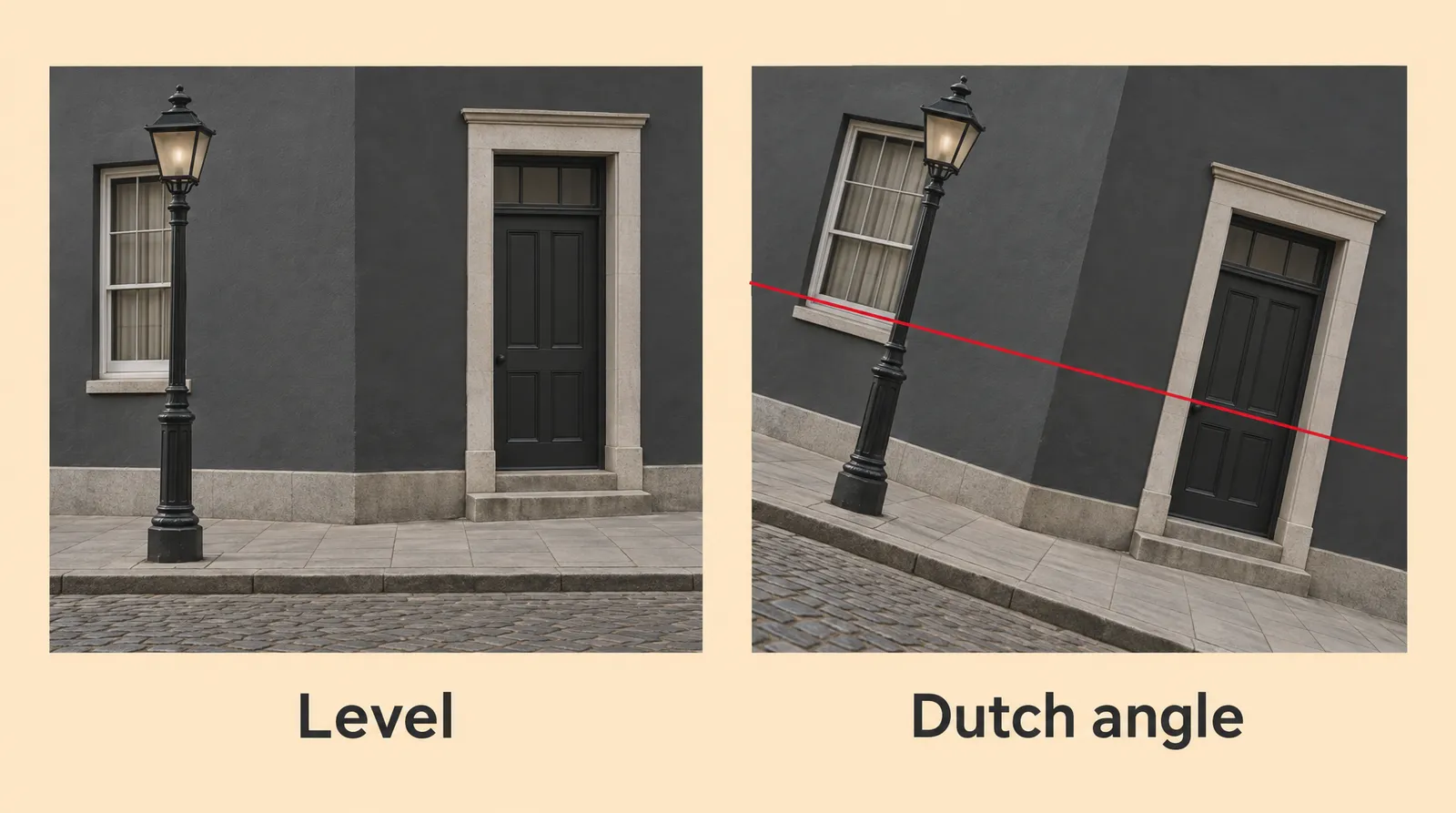
A Dutch angle is a shot where the camera is rotated so the horizon runs diagonally instead of parallel to the bottom of the frame. Wikipedia compares it to tilting your head to the side and lists other names: Dutch tilt, canted angle, oblique angle and vortex plane. It's "often used to portray psychological uneasiness or tension," and Shotkit says it makes viewers feel "uneasy and disoriented."
The name's origin is disputed: one theory says "Dutch" is a corruption of the German Deutsch, another that it simply means something out of line. The angle is strongly associated with German expressionist cinema, yet the earliest recorded use is in an American film, Edwin S. Porter's Dream of a Rarebit Fiend (1906). Well-known examples include Hitchcock's Suspicion, Notorious and Strangers on a Train, The Third Man (1949), after which William Wyler reportedly gave director Carol Reed a spirit level, and the 1960s Batman TV series. More in our Dutch angle guide.
Over-the-shoulder, POV and height levels for dialogue scenes
Dialogue scenes rely mostly on eye level, shoulder level and over-the-shoulder angles. Shotkit calls eye level the most commonly used angle and says shoulder-level shots are common in dialogue, walk-and-talks and character interactions. In an over-the-shoulder shot, the camera sits behind the listening character, with part of their head and shoulder soft in the foreground; our over-the-shoulder shot guide covers framing. A POV shot swaps that for the character's own view.
- Shoulder level: the camera is as high as the subject's shoulders.
- Hip level (cowboy shot): the camera is roughly waist-high; StudioBinder points to Punch-Drunk Love.
- Knee level: the camera is about as low as the subject's knees; StudioBinder's example is Revenge of the Sith.
- Ground level: the camera rests on the ground with the subject, close to what some sources call a worm's-eye view.
How to use camera angles in AI video and image prompts
To get a specific camera angle in an AI video, name the angle plainly near the start of your prompt, use one angle per shot, and test the wording on a cheap still image first. No official source we found confirms that AI video models reliably follow terms like "low angle" or "Dutch angle," so treat the phrases in the table above as wording to try, not commands.
- Pick one angle and one shot size: Decide on a single combination, such as a low angle medium shot, before writing anything.
- Lead with the angle: Start the prompt with the angle phrase, for example: "Low angle shot looking up at a baker holding a tray of bread, warm morning light."
- Test it as a still: Paste the prompt into the AI image generator and run it with Muse Image to see whether the framing matches.
- Adjust the wording: If the camera sits too high, add a physical cue like "camera near the floor" and run the still again.
- Generate the video: Move the working prompt to Text to Video, choose a model, length and aspect ratio, and generate.
- Add movement last: Add one camera move at the end of the prompt, such as "slow push-in," only after the angle looks right.
The still test is cheap: Muse Image costs 2 credits per image, which is about $0.13 on the Mini pack (75 credits for $5), and Nano Banana 2 starts at 8 credits. In Text to Video, Kling 4.0 costs 79 credits at its default of 720p, 5 seconds and 16:9, which is more than one Mini pack, while Seedance 2.0 Mini costs 48 credits by default, about $3.20 on the Mini pack. There are no free video credits, and failed generations are refunded automatically (prices checked November 9, 2026; may change; see pricing).
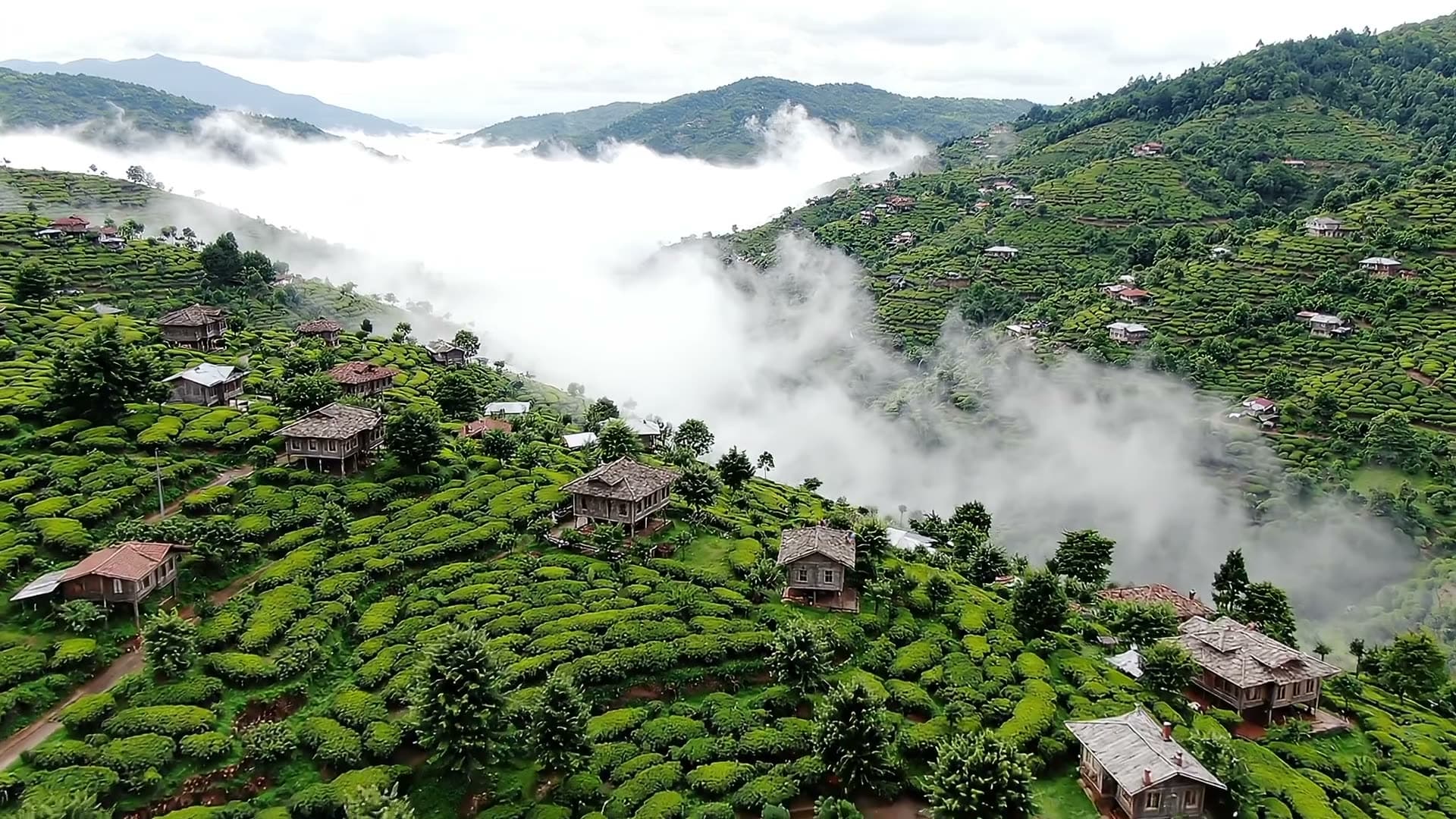
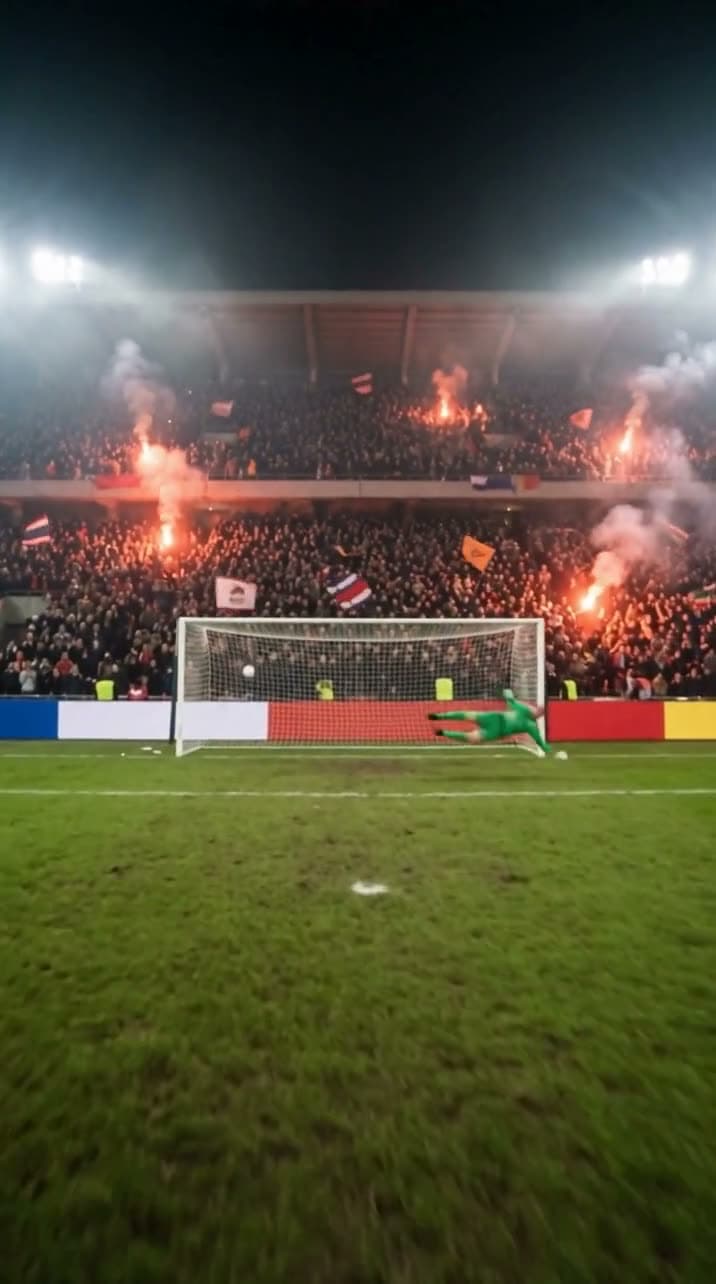
Each sample was generated in one take on this site with the model shown on it; nothing was edited.
Camera moves are a separate control. If you want to plan the move itself, 3D Scene (beta) lets you give each shot one of 16 camera moves on a simple blockout before Seedance 2.5 Reference renders it; those are movements, not angles. To start from a photo you already have, use Image to Video, and you can draft your still frames in the AI image generator.
Sources
The facts in this post were checked against the pages below on Nov 9, 2026. Prices and limits may change.
- StudioBinder: Camera Angles Explained (independent source)
- StudioBinder: Ultimate guide to camera shots (independent source)
- Shotkit: Types of camera shots and angles (independent source)
- Adobe: Different types of shots and camera angles in film (independent source)
- Boords: 16 types of camera shots and angles (independent source)
- Epidemic Sound: Different camera shots (independent source)
- Wikipedia: Dutch angle (independent source)
- Wikipedia: Cinematic techniques (independent source)
This post was drafted with AI assistance. Facts were checked against the sources above, and model, credit and price details were checked automatically against the site's current price list.
Frequently asked questions
What are the different types of camera angles in film?
The core camera angles in film are eye level, high angle, low angle, worm's-eye view, overhead or bird's-eye, aerial, Dutch angle, over-the-shoulder and point of view. Filmmakers also use height levels such as shoulder, hip, knee and ground level. Each one changes where the viewer seems to stand in the scene.
How many types of camera angles are there?
There's no official count. Popular guides list anywhere from 6 to more than 50, depending on whether they fold in shot sizes and camera movements. Counting only camera height and tilt gives you roughly eight or nine angles.
What is the difference between camera angles and camera shots?
The angle is where the camera sits and how it's tilted, such as low angle or eye level. The shot size is how close the subject is, such as close-up or wide. A single shot always has both, plus any camera movement.
What is the most common camera angle?
Eye level is the most commonly used camera angle, according to Shotkit. It feels neutral because it matches how we see people in real life. Shoulder-level and over-the-shoulder setups are also very common in dialogue scenes.
What is the difference between a bird's-eye view and a high angle?
A high angle looks down at the subject from somewhere above eye level, while a bird's-eye or overhead shot points almost straight down from directly above. An aerial shot is higher still, usually from a drone or aircraft. Naming varies between sources, so check how a given guide defines each term.
What does a low angle shot mean?
A low angle shot places the camera below the subject's eyeline, looking up. It often suggests power, fear or scale, but the meaning depends on the story around it. The same angle can read very differently in a different scene.
Why is it called a Dutch angle?
Nobody knows for sure. One theory says Dutch is a corruption of the German word Deutsch, and another says it just means something out of line. The earliest recorded Dutch angle is in an American film from 1906.
How do you get a specific camera angle in an AI video?
Put the angle name at the start of your prompt, keep to one angle per shot, and add a physical cue like camera near the floor if needed. Testing the same wording on a cheap still image first saves credits. Models don't follow angle terms every time, so expect to adjust.
Try what you just read
Signing up is free. Video and image tools unlock after your first credit pack, and credits are refunded if a generation fails.
Open Text to Video